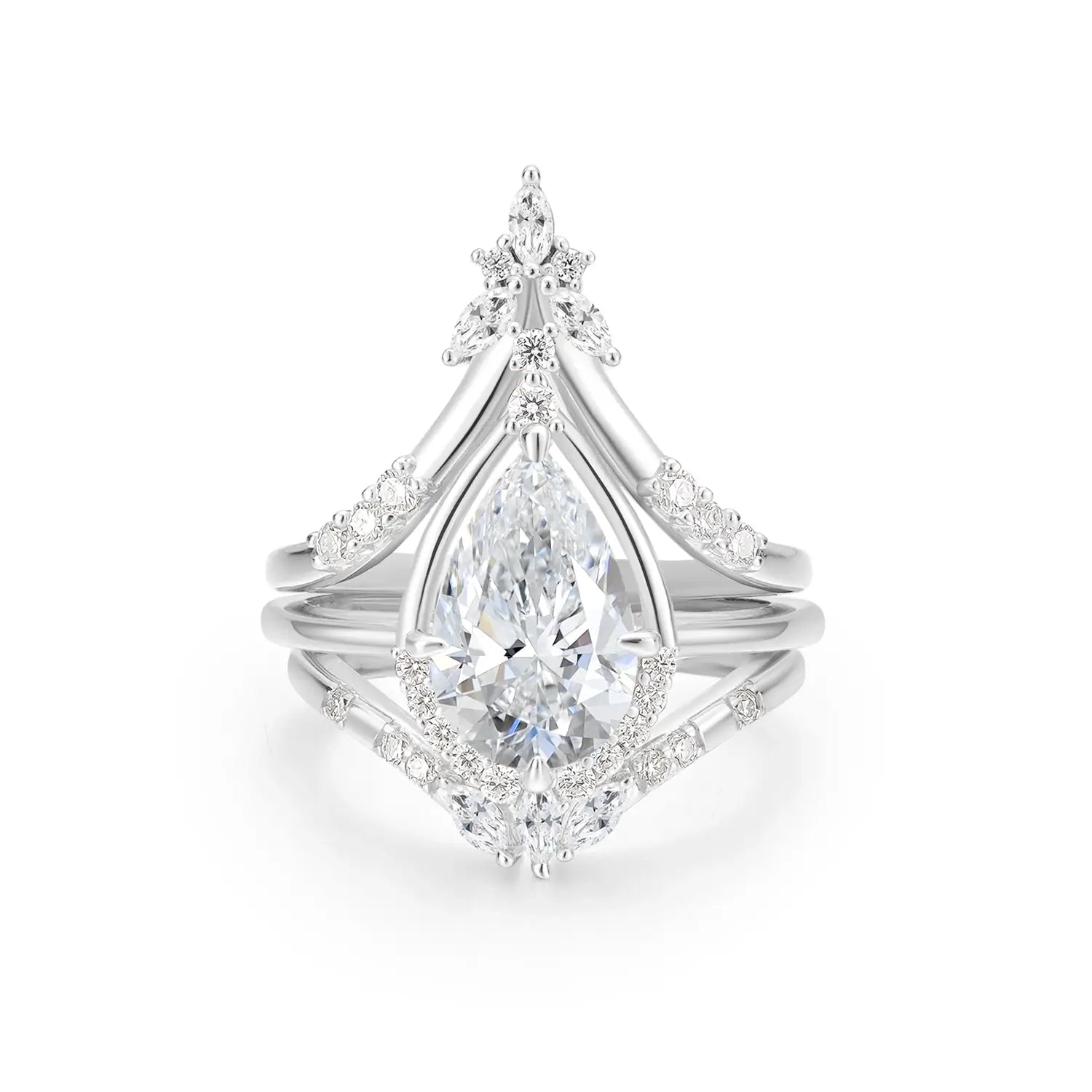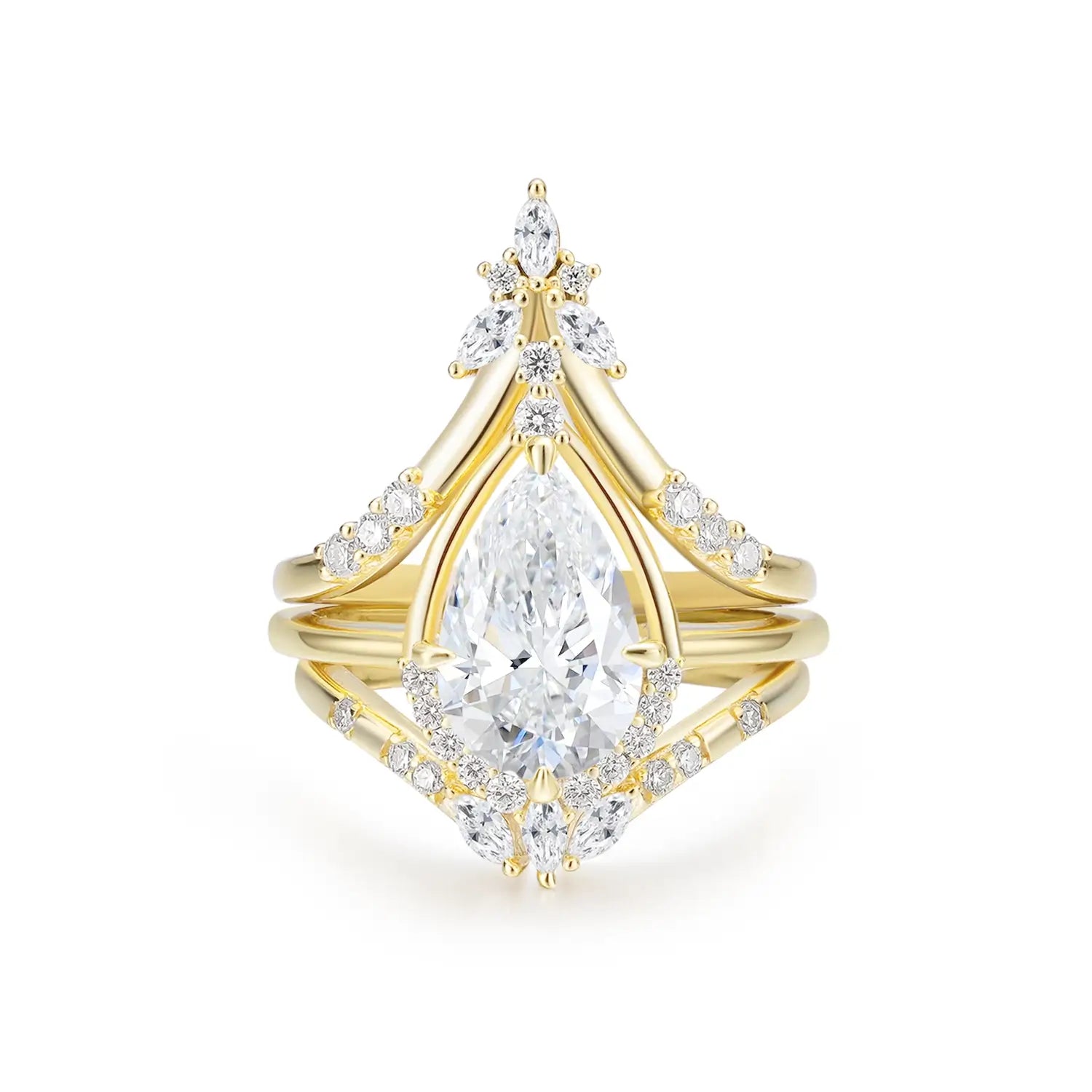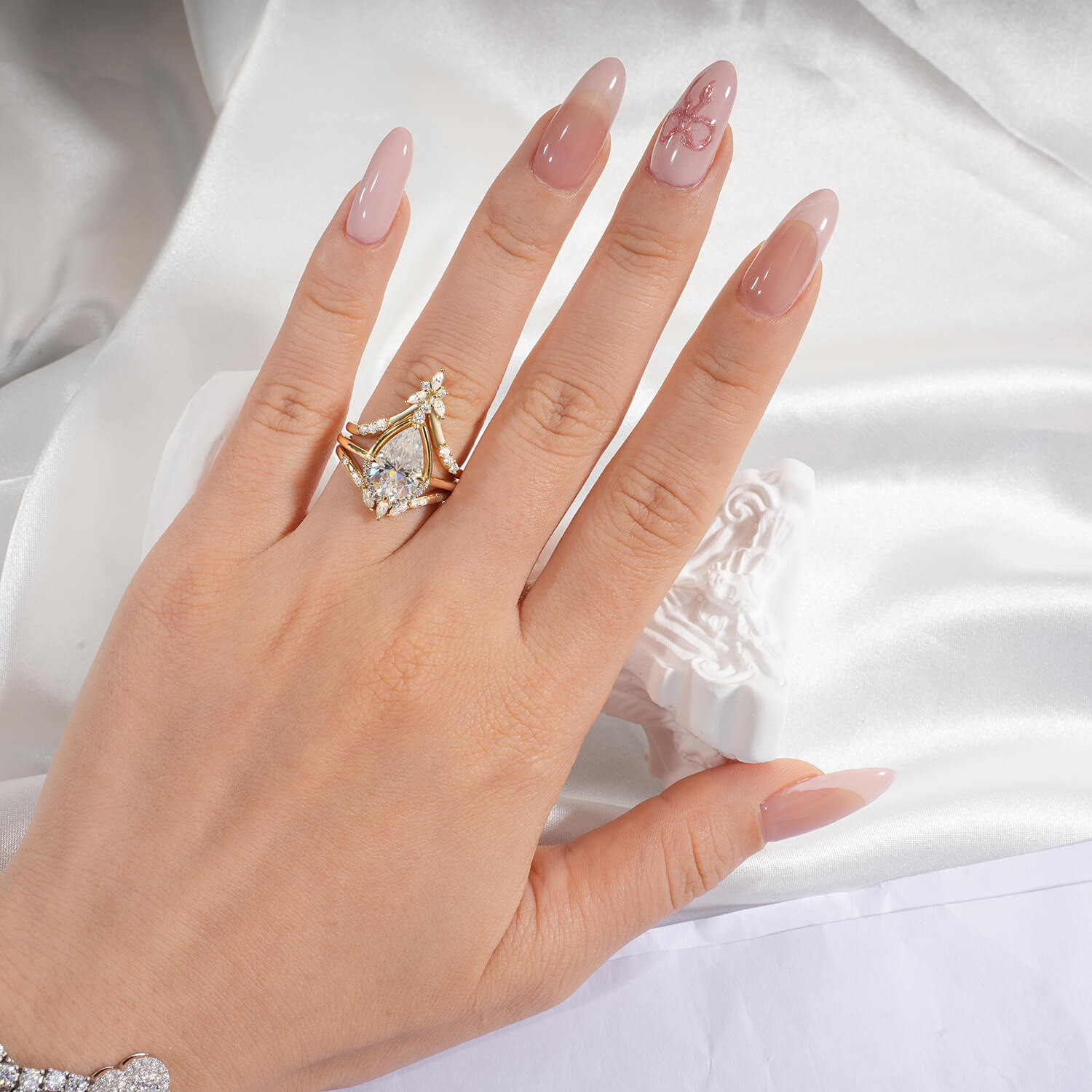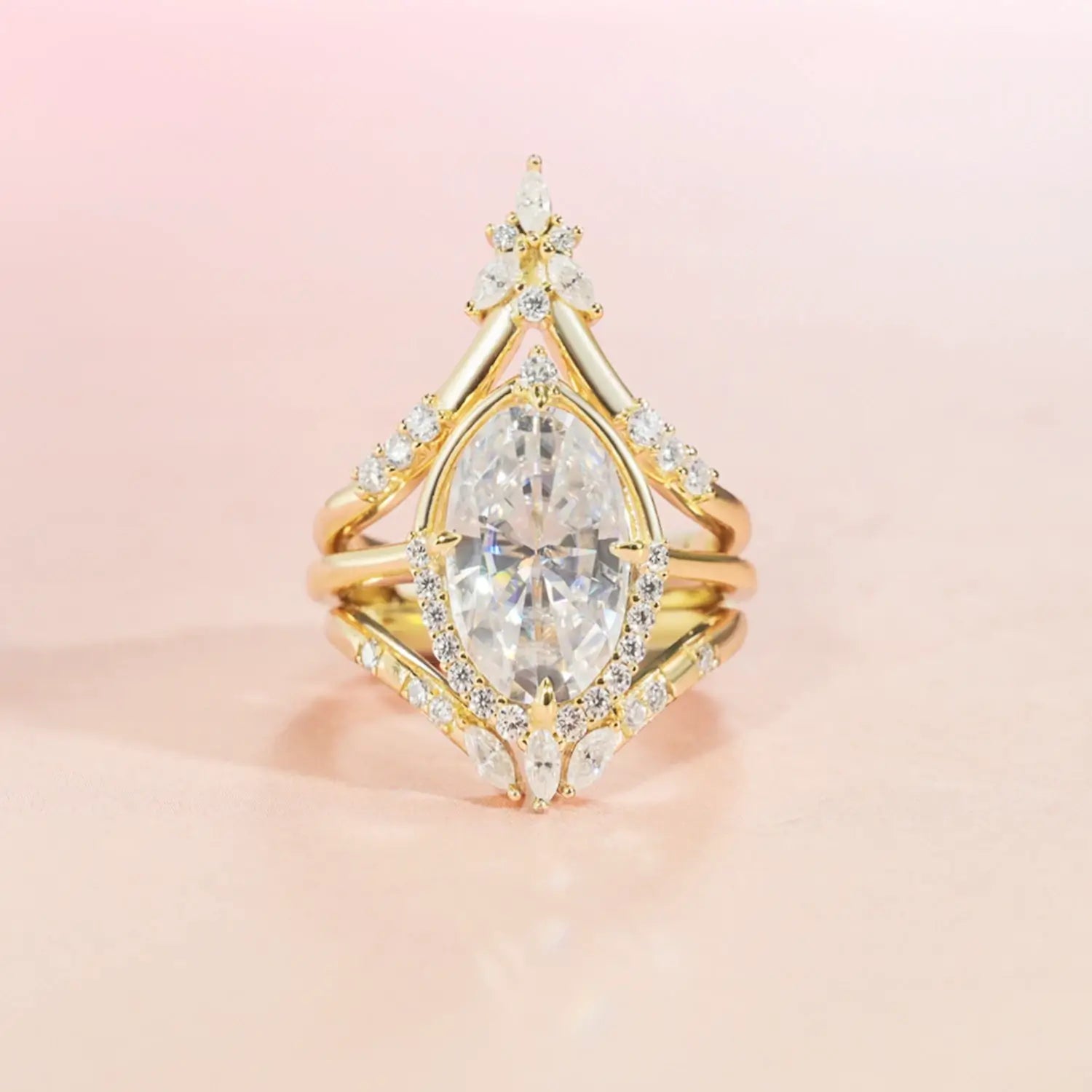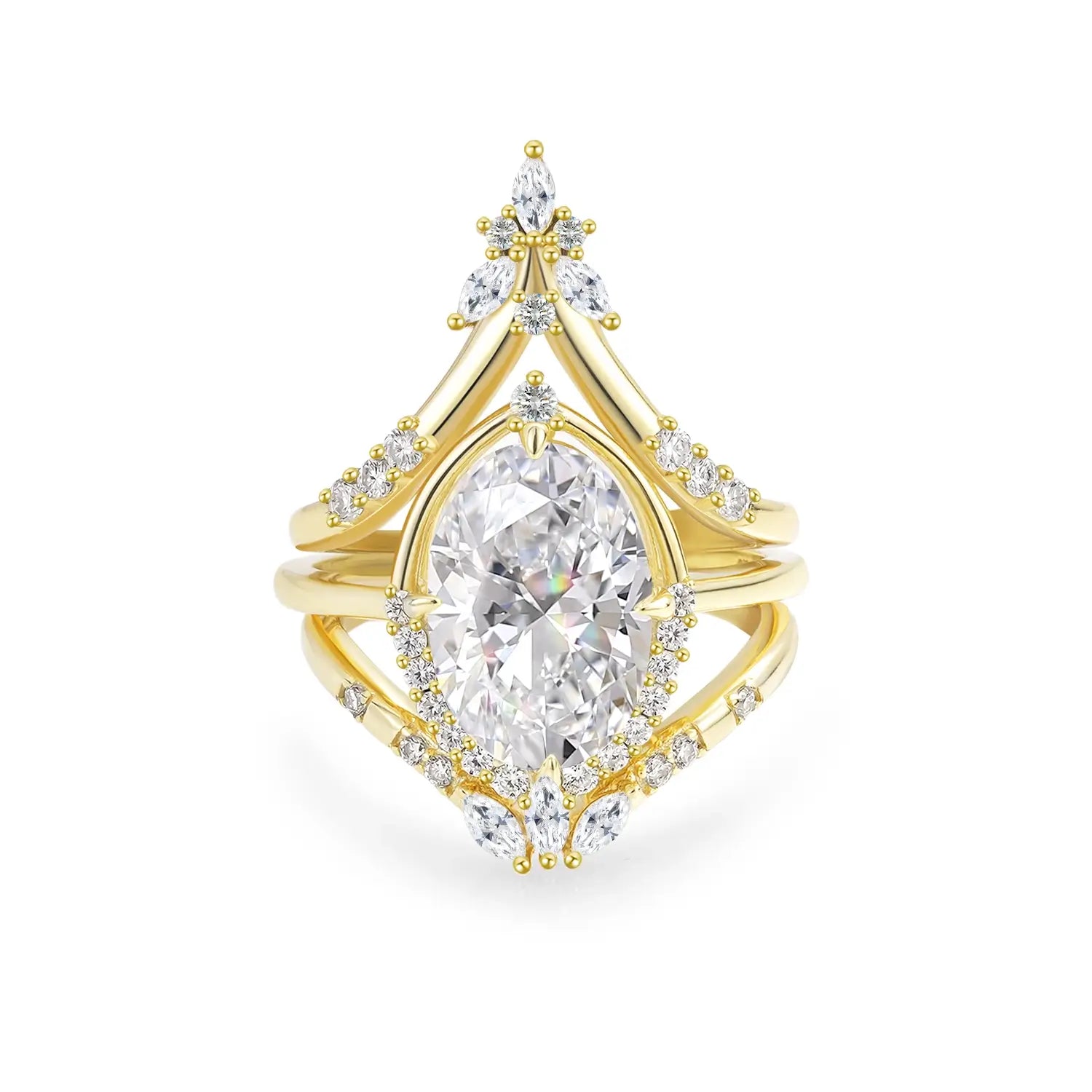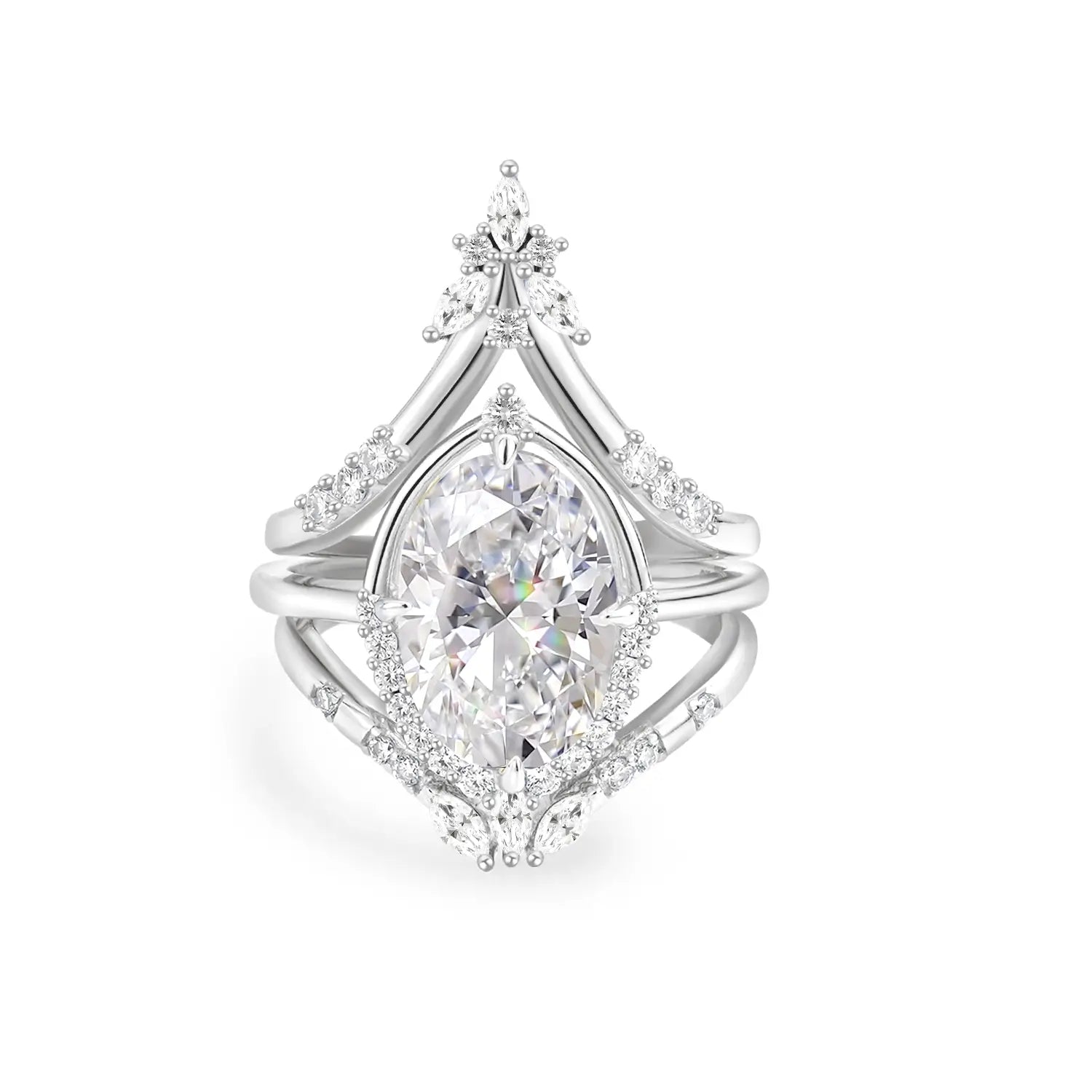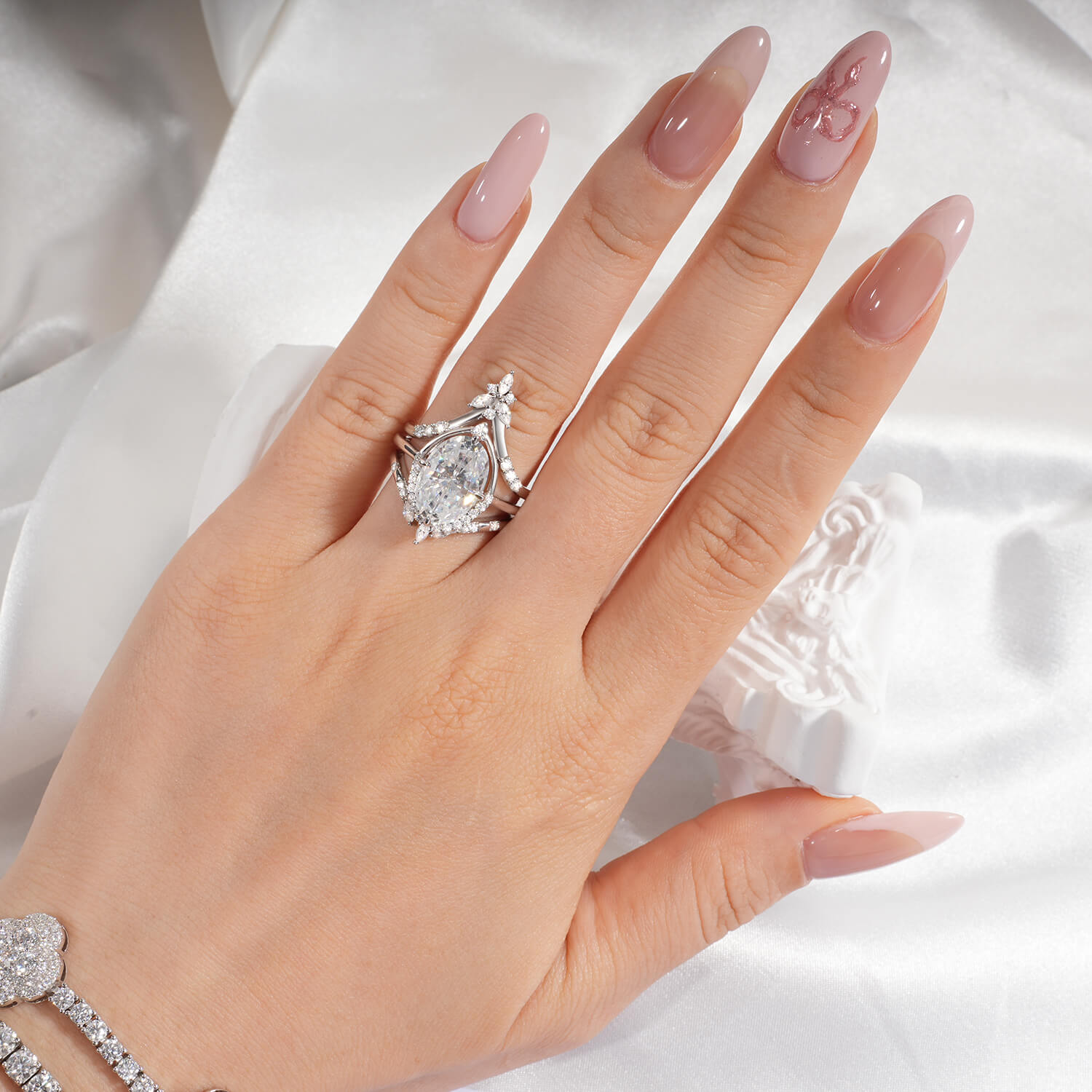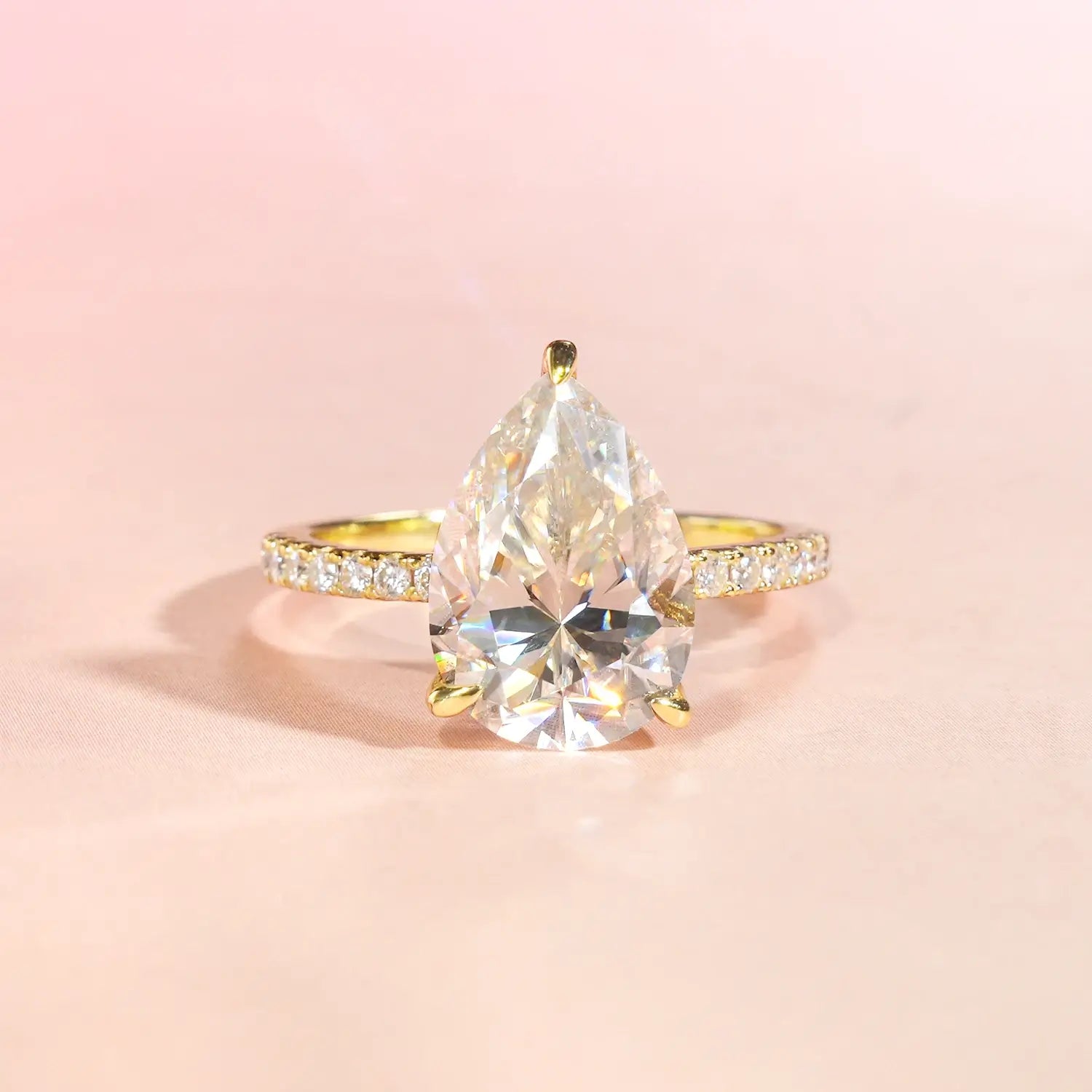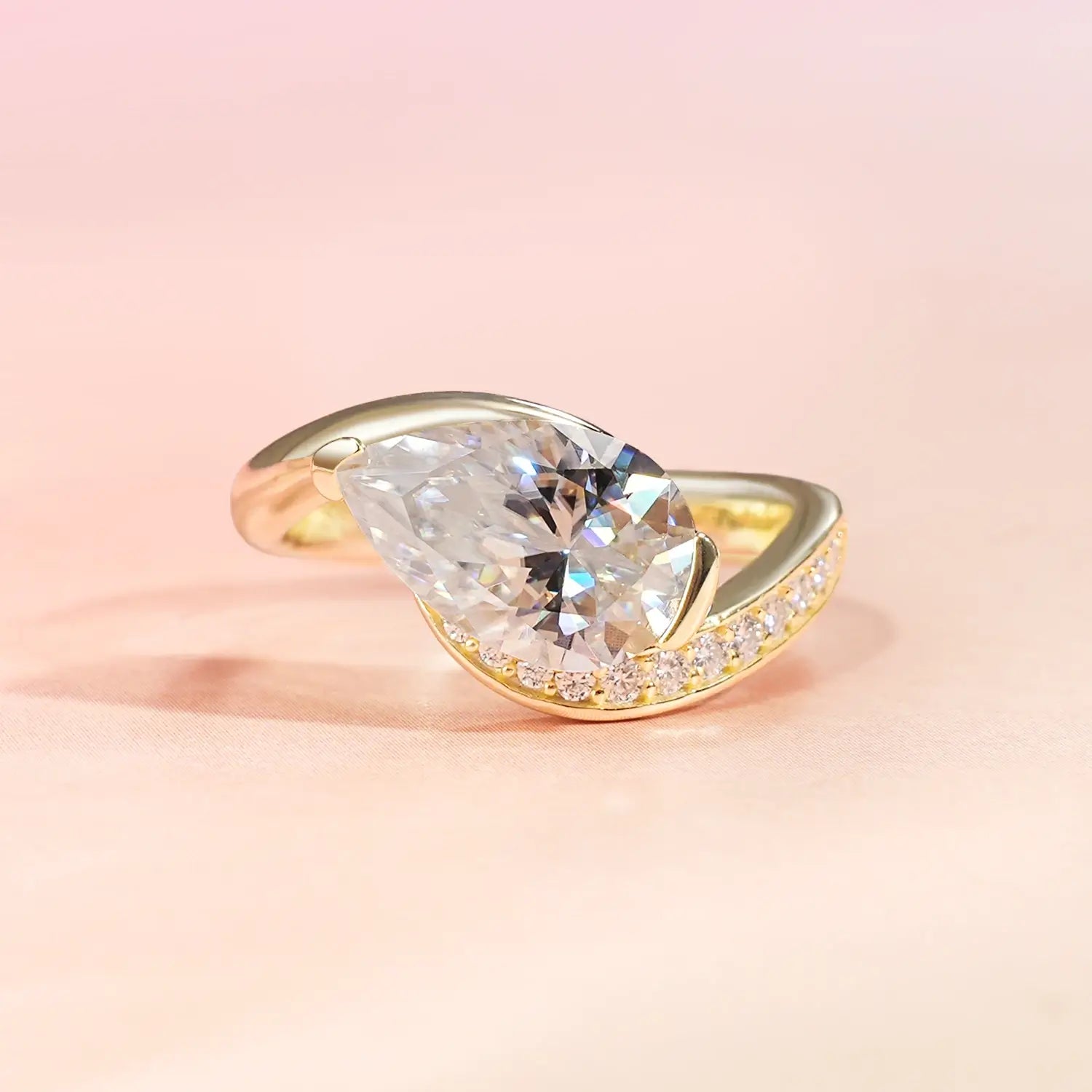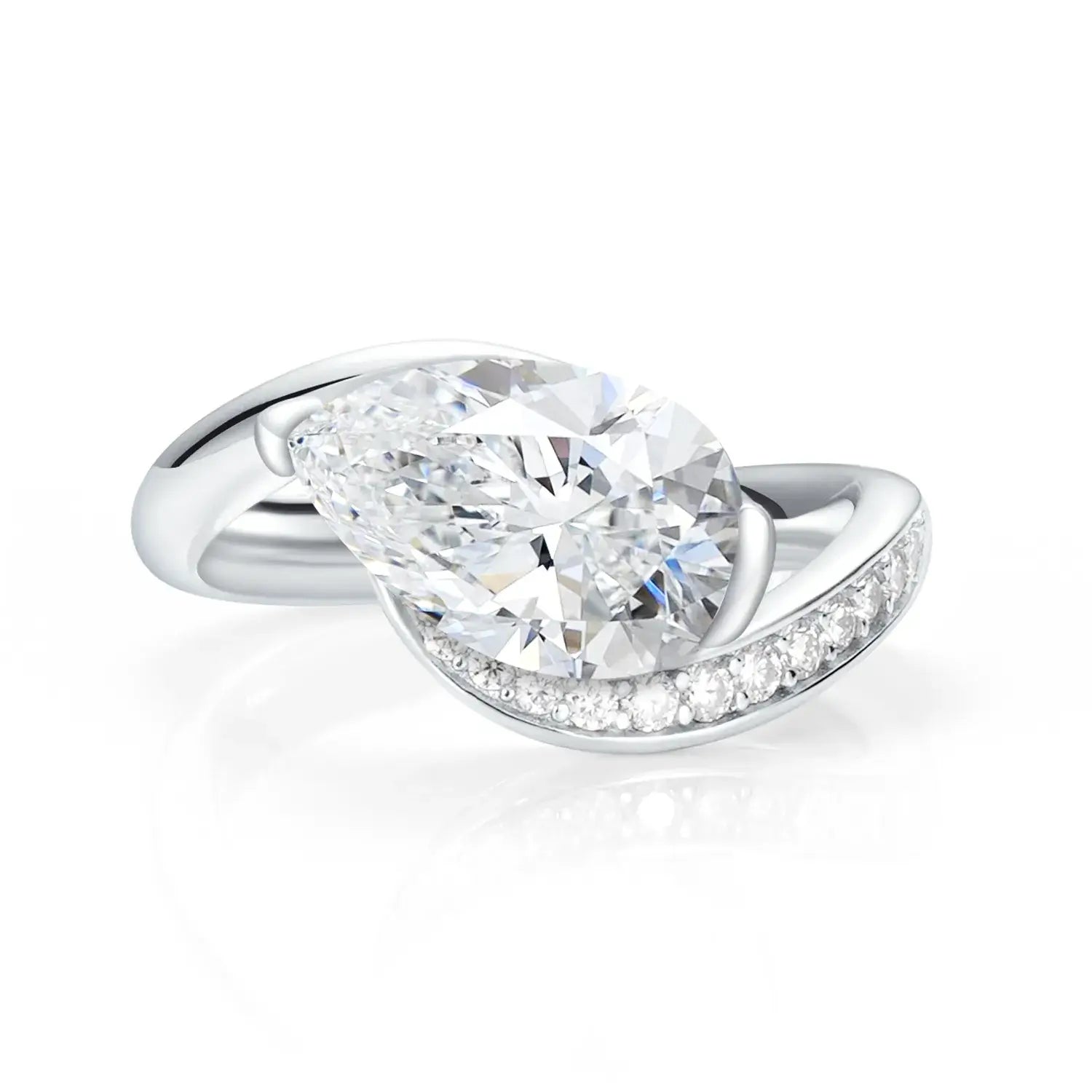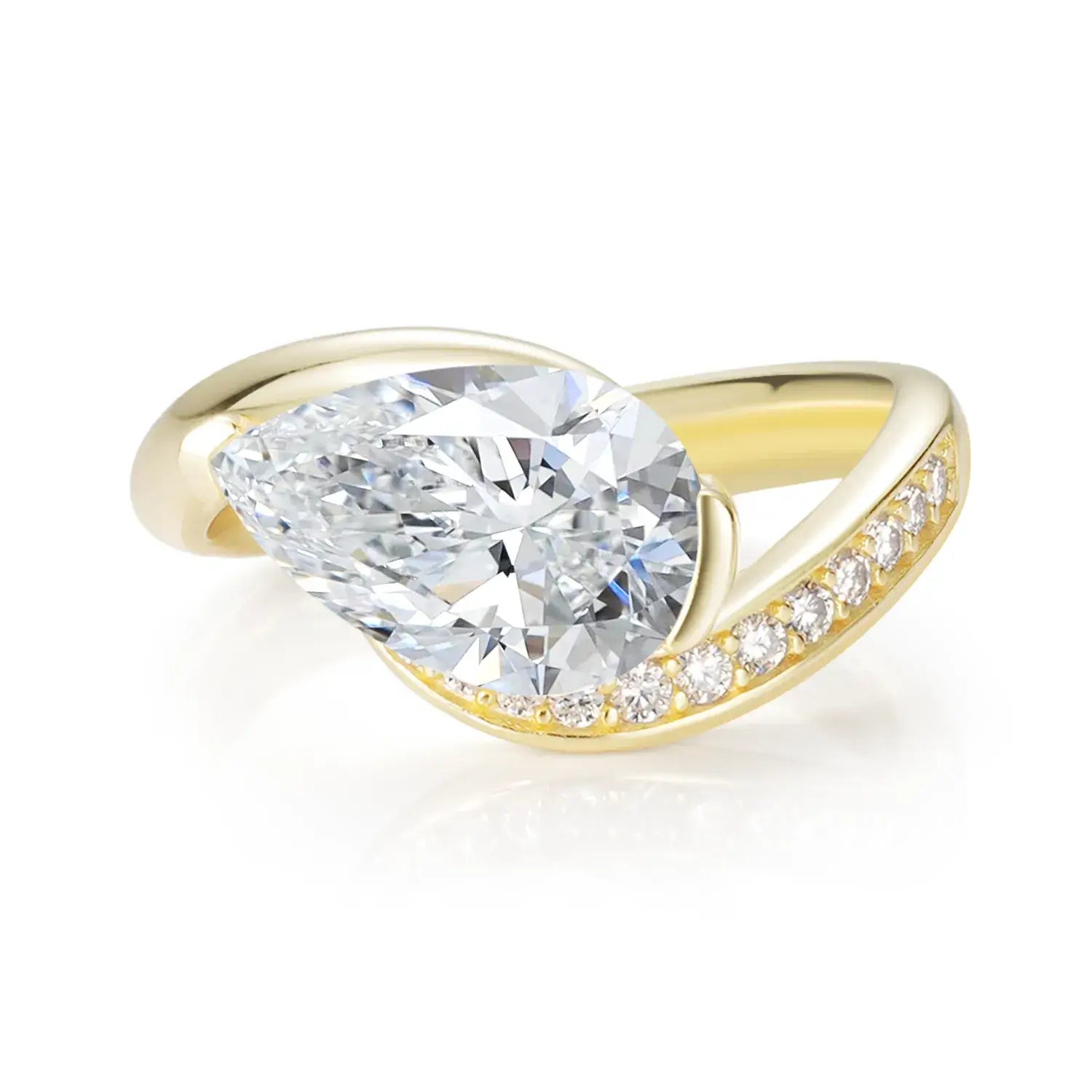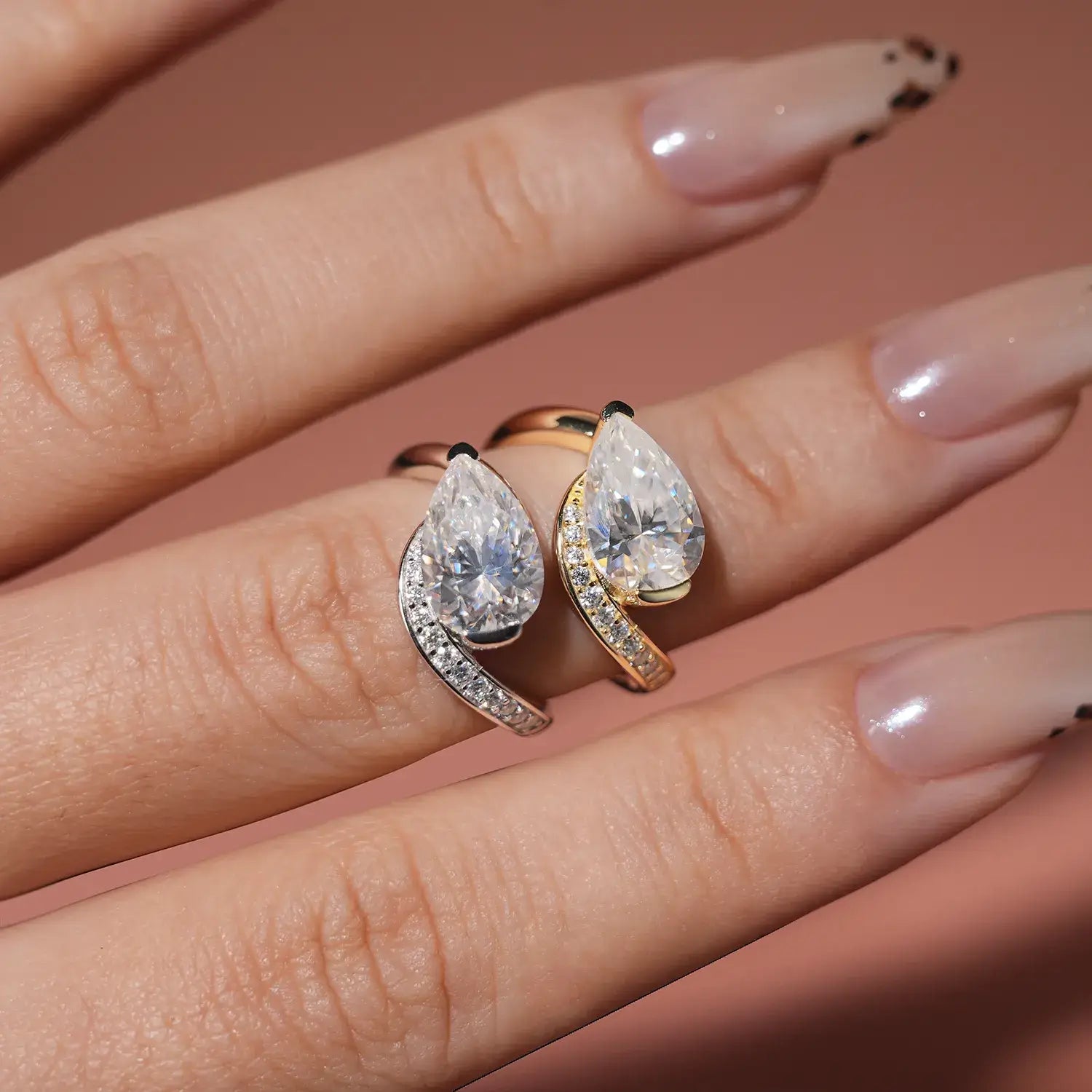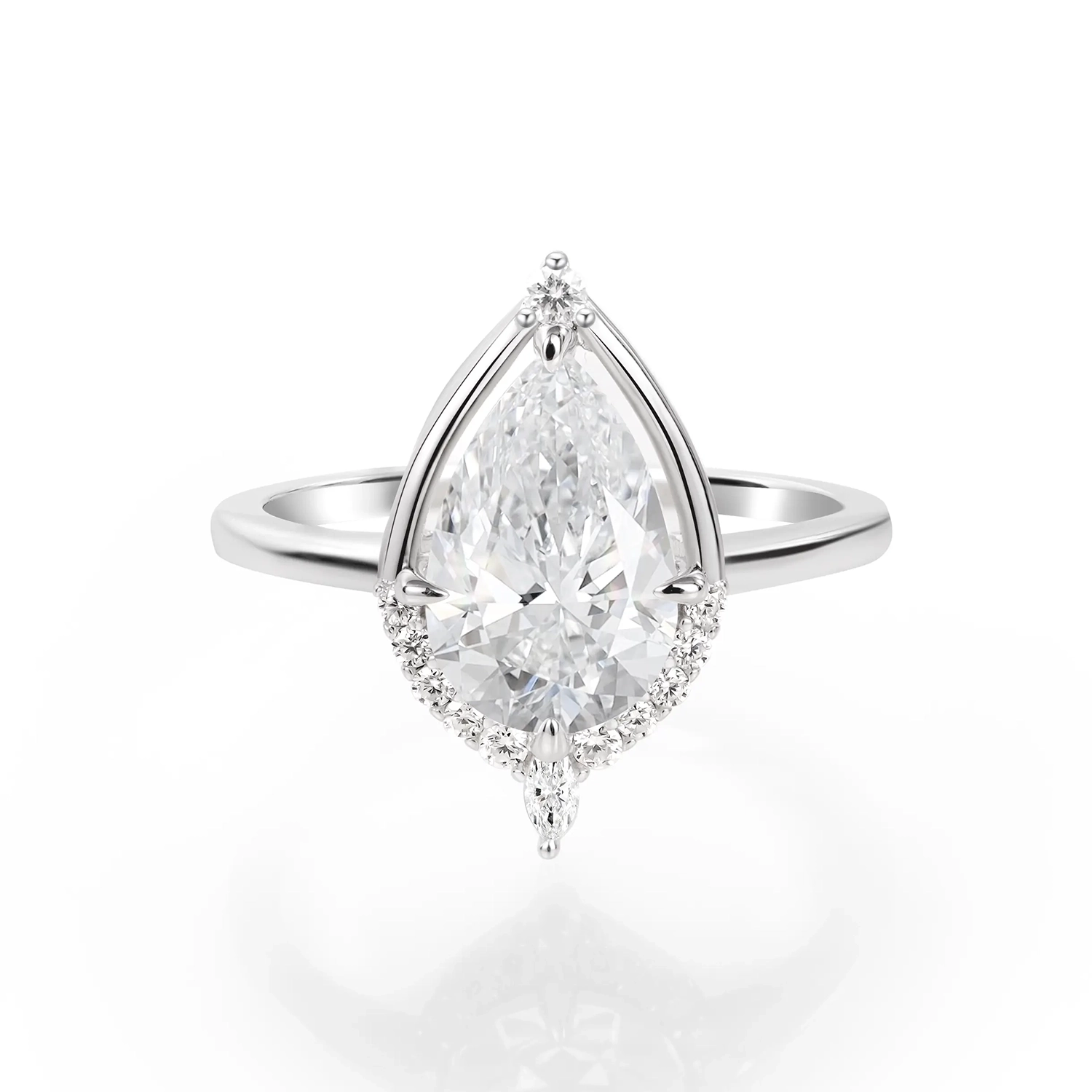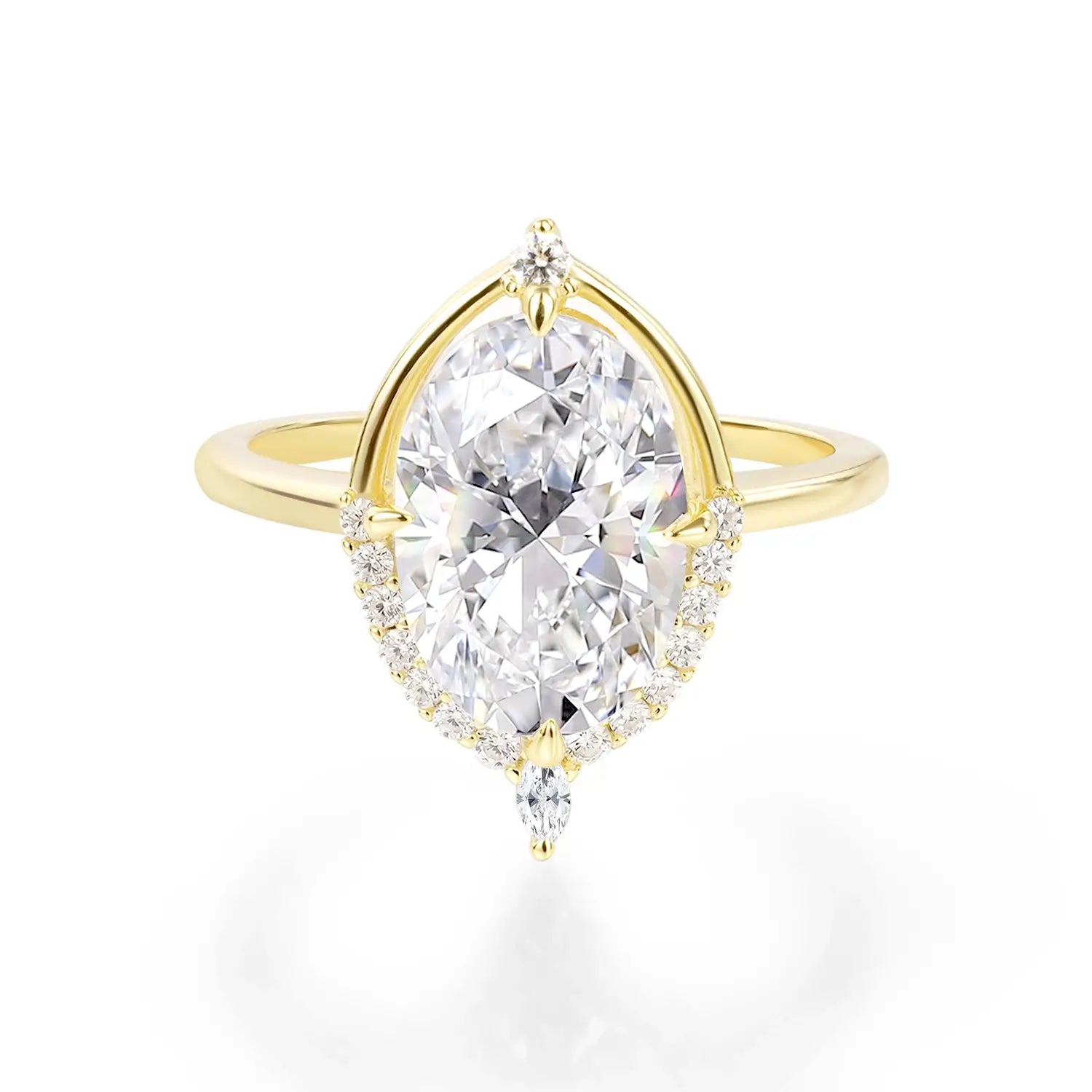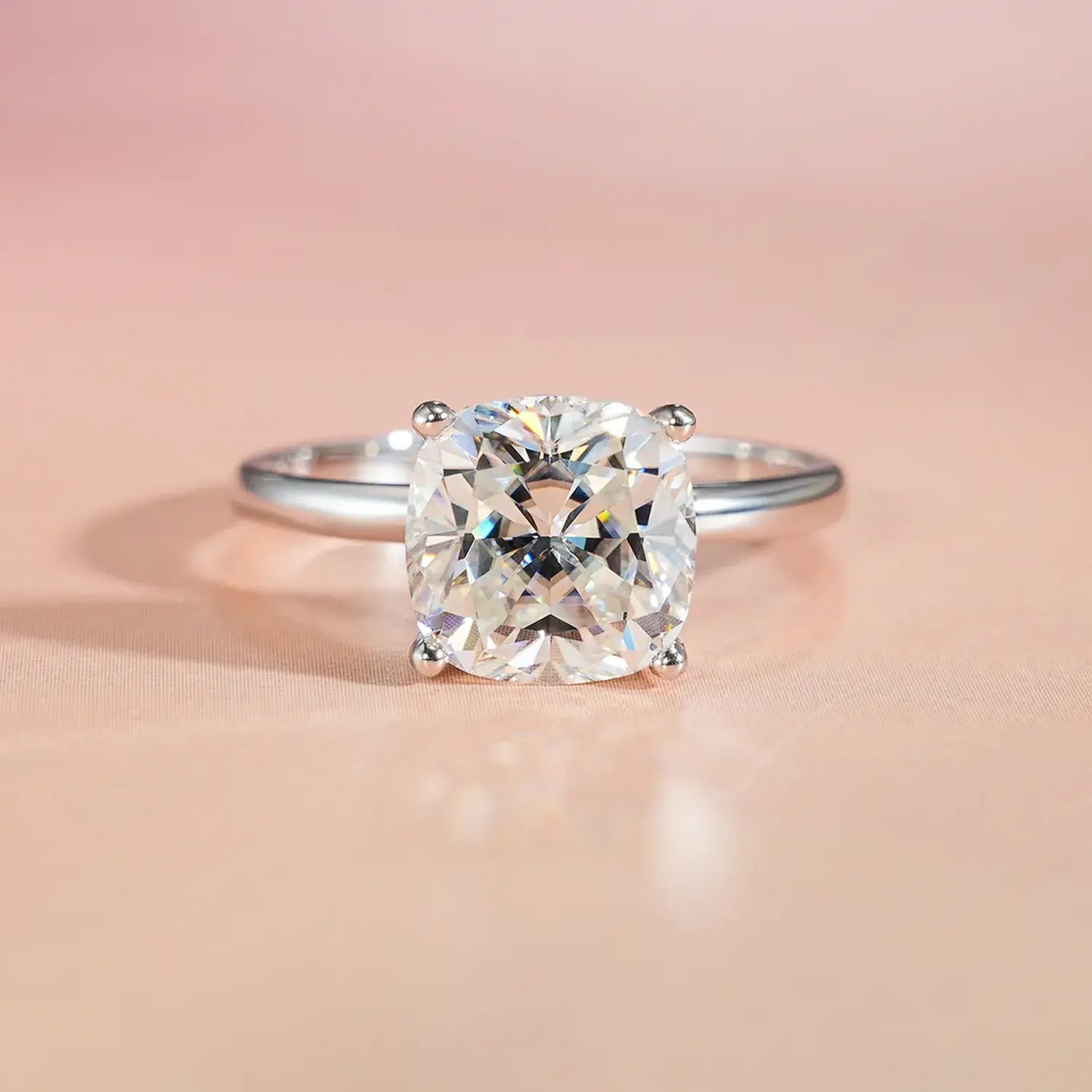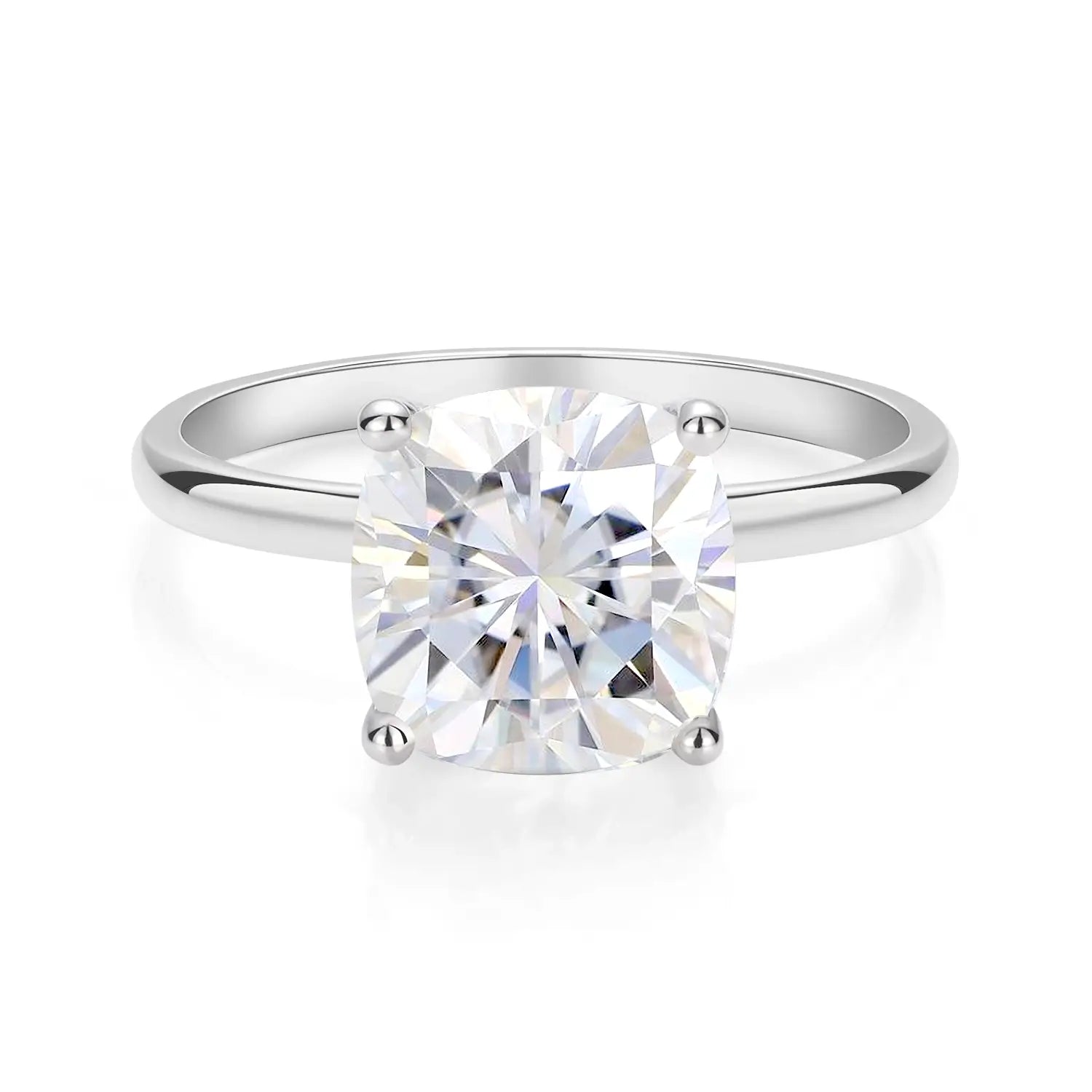

How to Estimate the True Value of Your Custom Engagement Ring
When it comes to designing your own engagement ring, one question inevitably arises — why does a custom-made piece often cost more than a premade one?
Unlike off-the-shelf rings, custom jewelry reflects your exact preferences, from the metal and stone to the setting and engraving. Every detail involves design labor, specialized craftsmanship, and unique materials — all of which contribute to a higher yet justified price.
This guide breaks down how to understand your custom ring’s real value and how to set a realistic budget before you begin the design process.
1. What Makes Up the Price of a Custom Engagement Ring
Every custom ring’s cost is built from four core components: metal, gemstone, craftsmanship, and labor.
Each element carries its own price range and can vary depending on your aesthetic choices. Knowing these cost factors allows you to build your dream ring while staying within budget.
a. Metal: The Foundation of Your Design
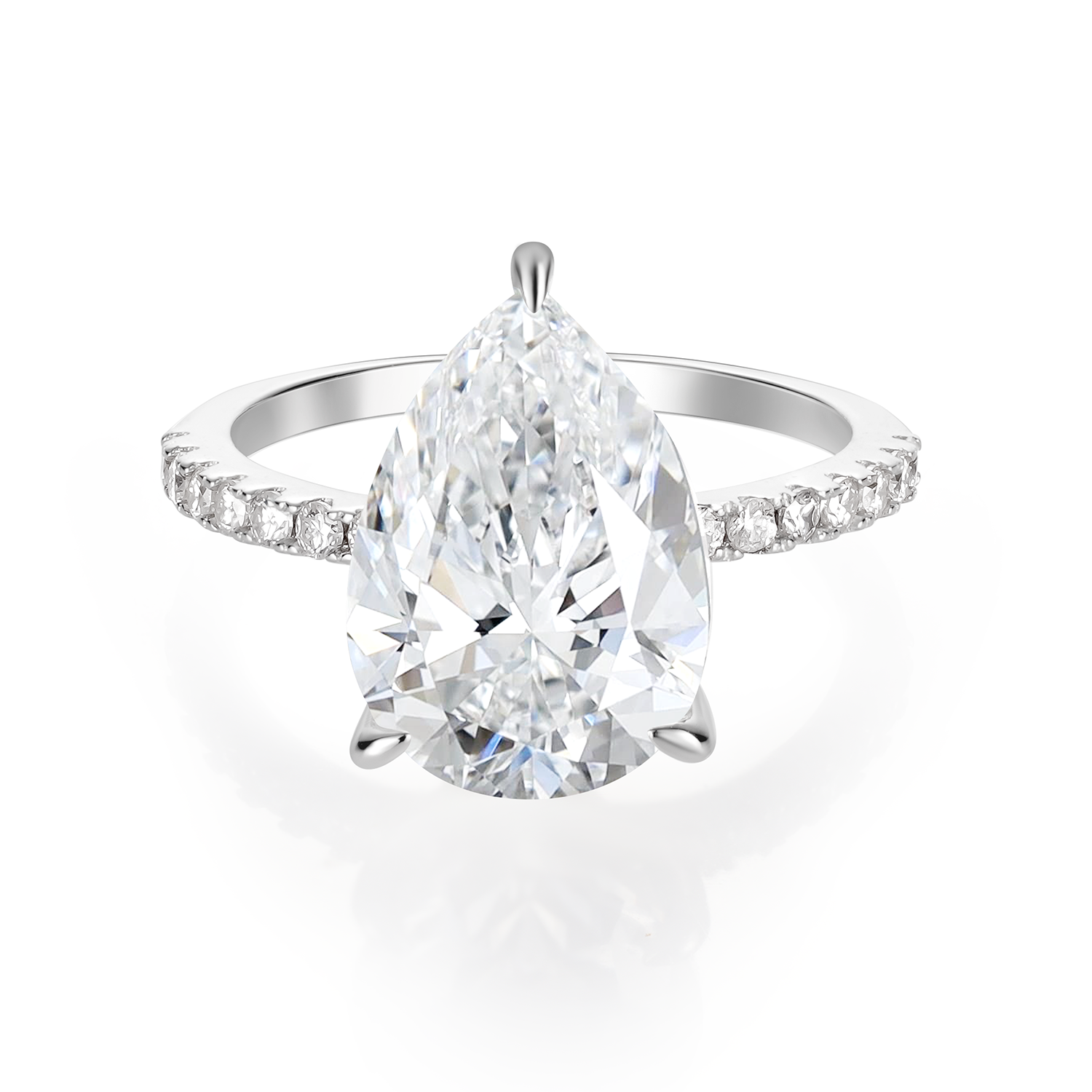
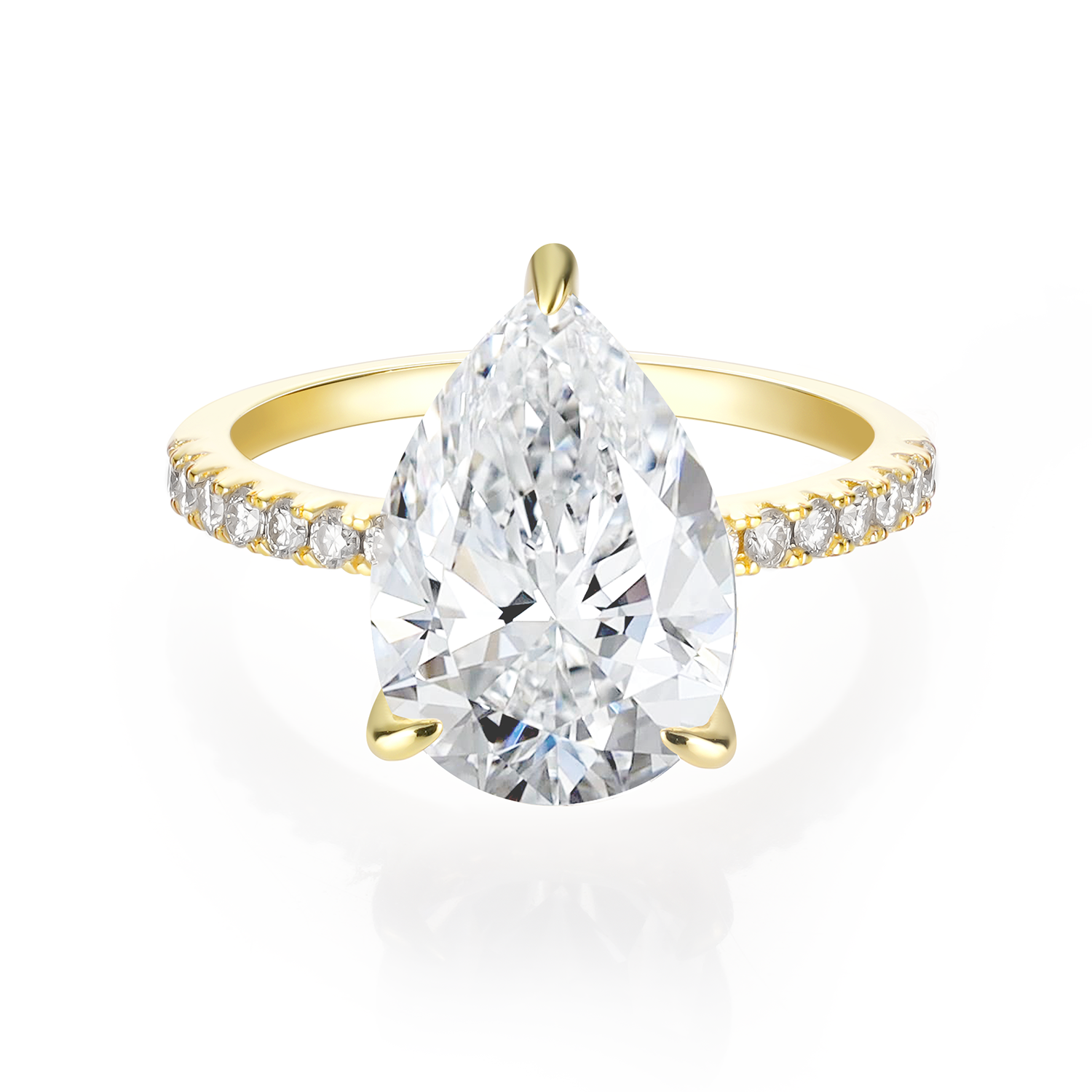
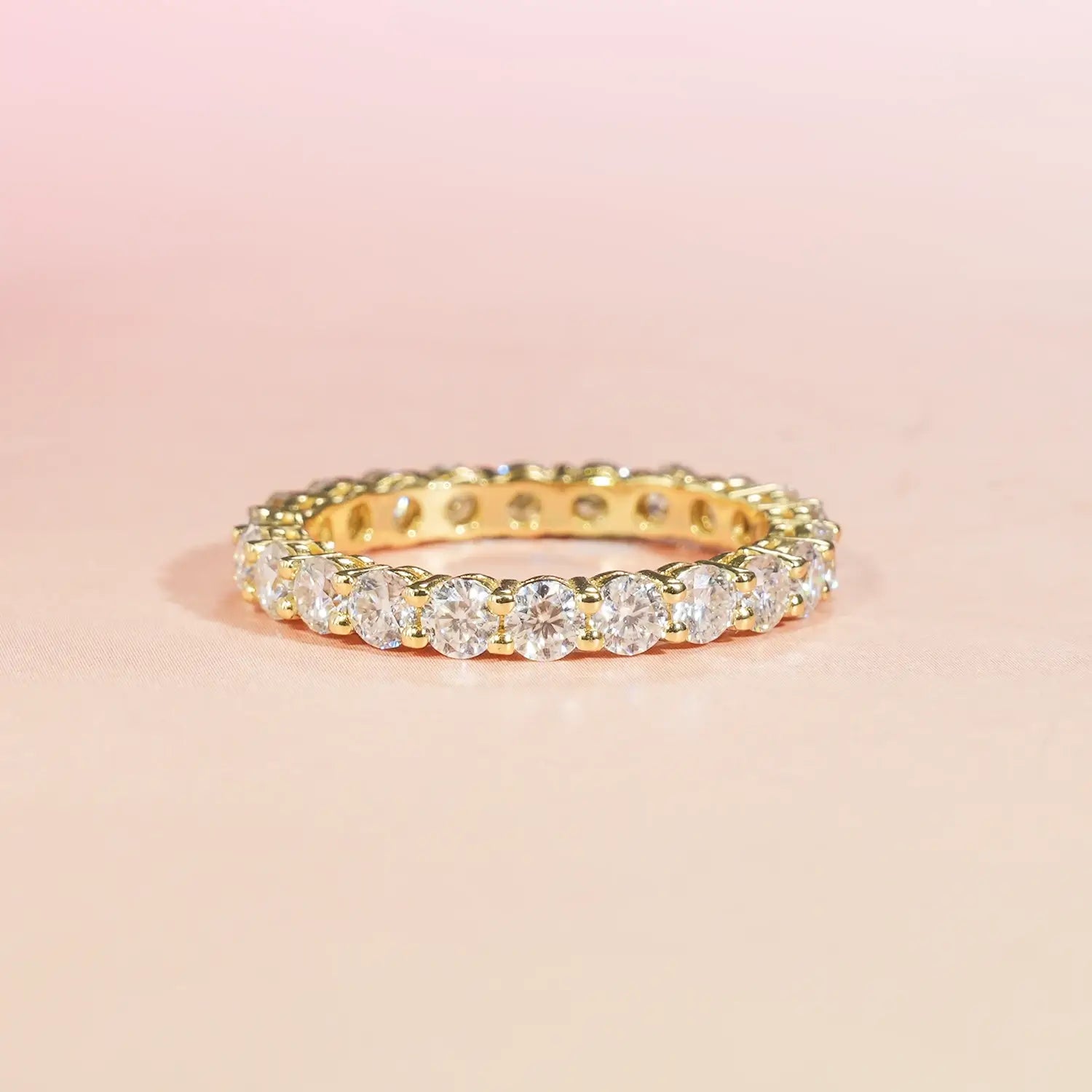
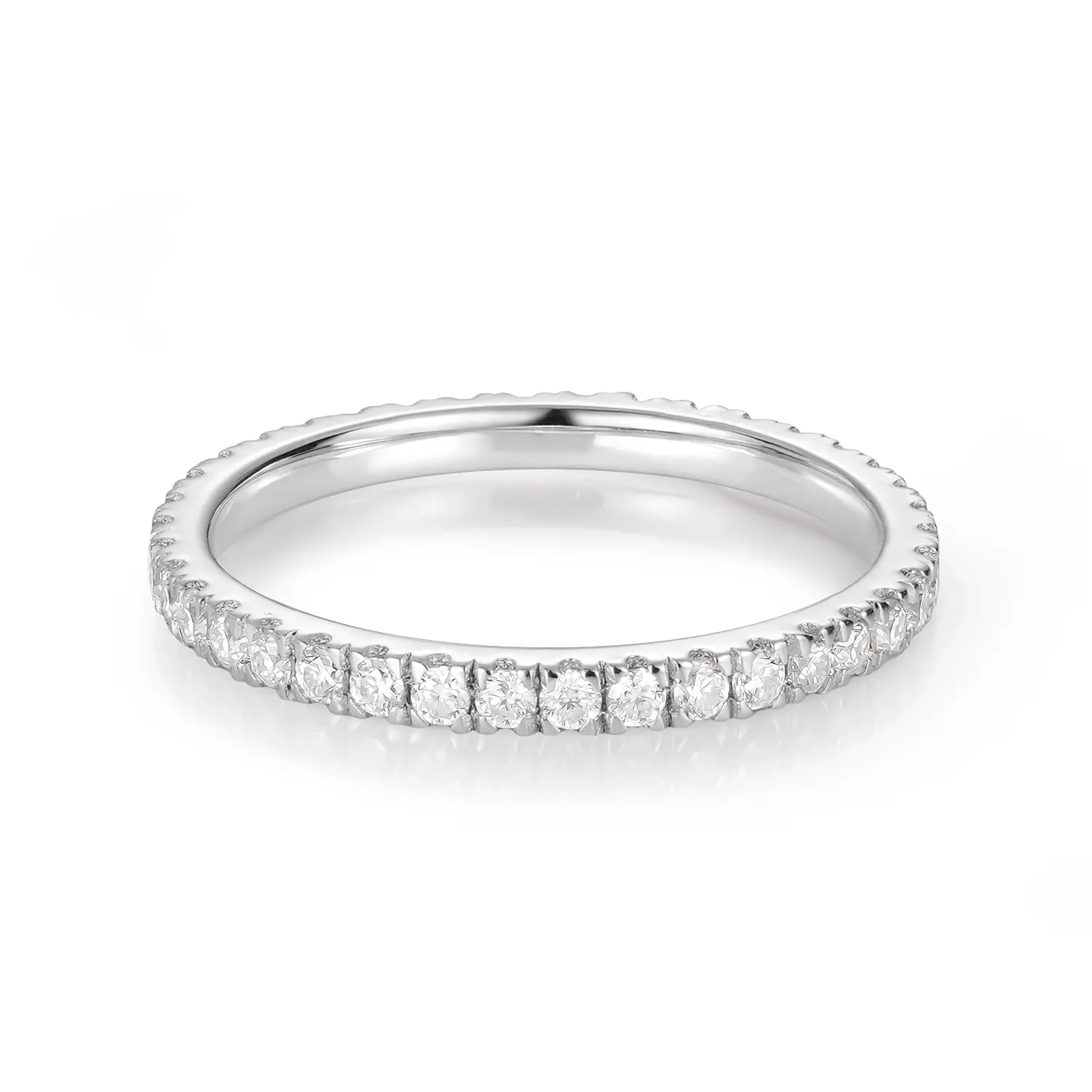
Your choice of metal has a direct impact on both the ring’s beauty and price. Common options include 925 silver, 10K gold, 14K gold, 18K gold, and platinum.
The higher the metal’s purity, the more expensive it becomes. However, another easily overlooked detail is the metal weight, which depends on the ring’s band width and thickness.
For instance, two 18K gold rings of the same design but different sizes can vary by several hundred dollars. Why? Because the heavier one uses more gold, and during casting and polishing, some material is also lost.
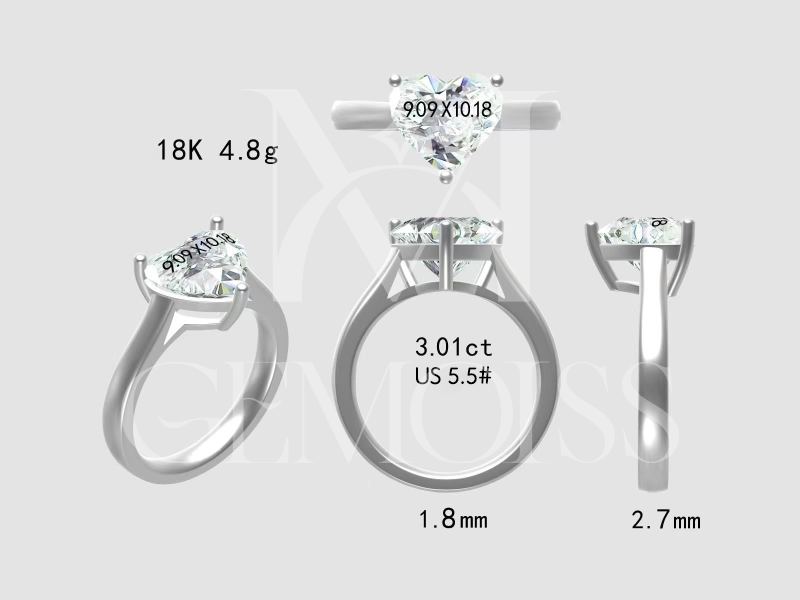
When your jeweler provides the CAD (Computer-Aided Design) file, it usually indicates the ring’s approximate gold weight. To estimate the metal cost:
- Check the current international gold price.
- Multiply it by the ring’s gold weight plus a 1.5x allowance for material loss.
A simple solitaire ring typically uses 3–5 grams of gold, depending on the band width and stone size.
2. The Stone: Transparency Is Key
The gemstone is the centerpiece — and often the most variable cost in custom jewelry.
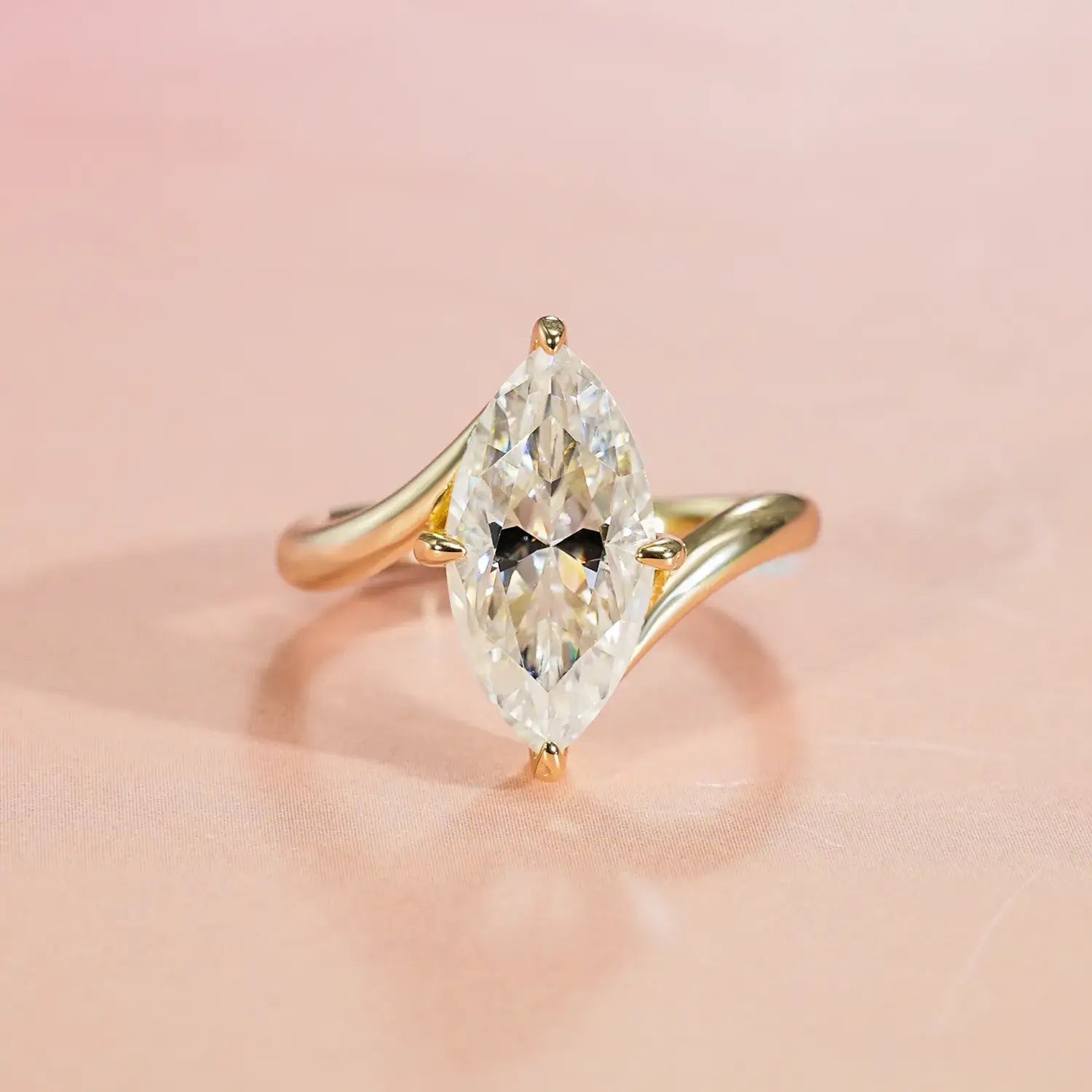
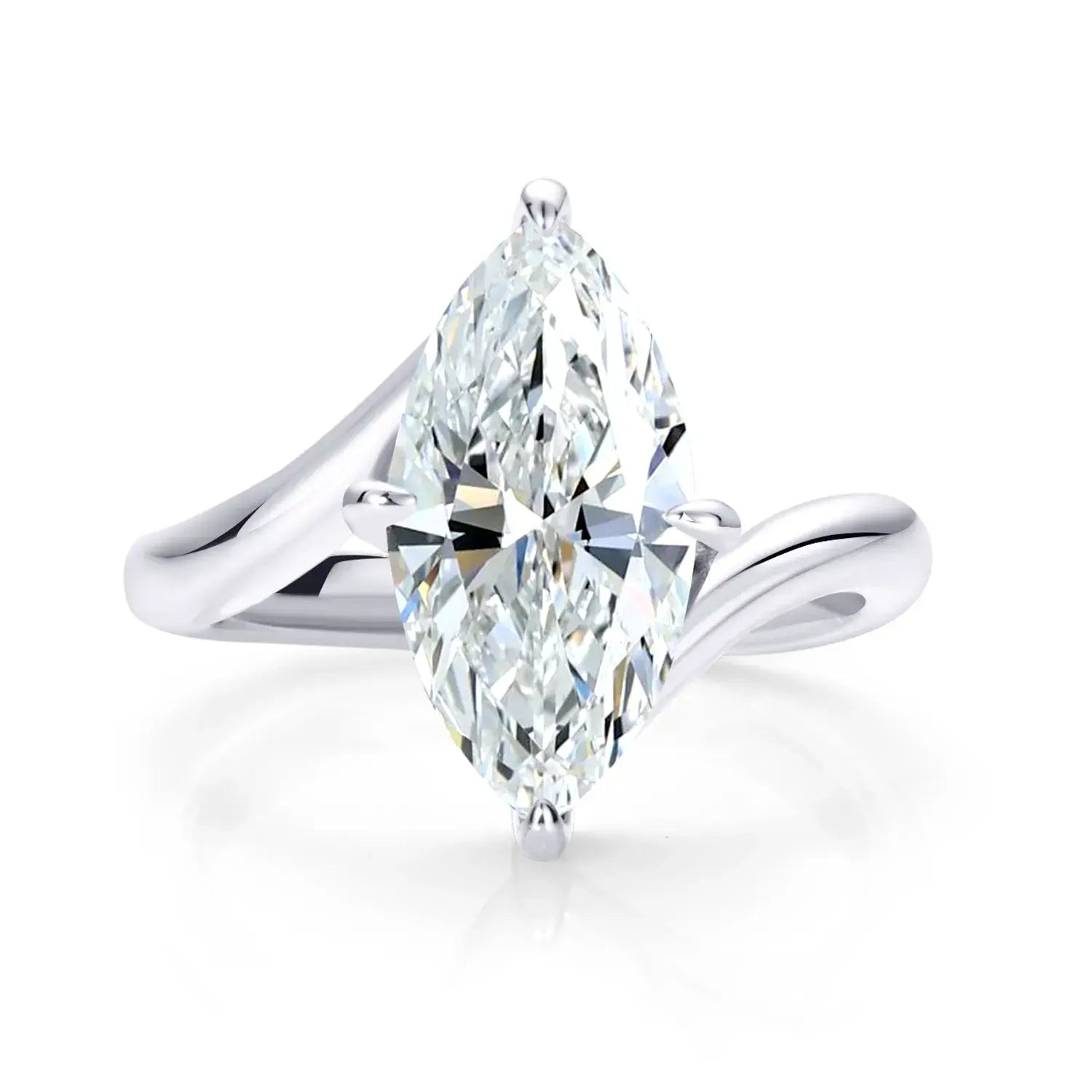
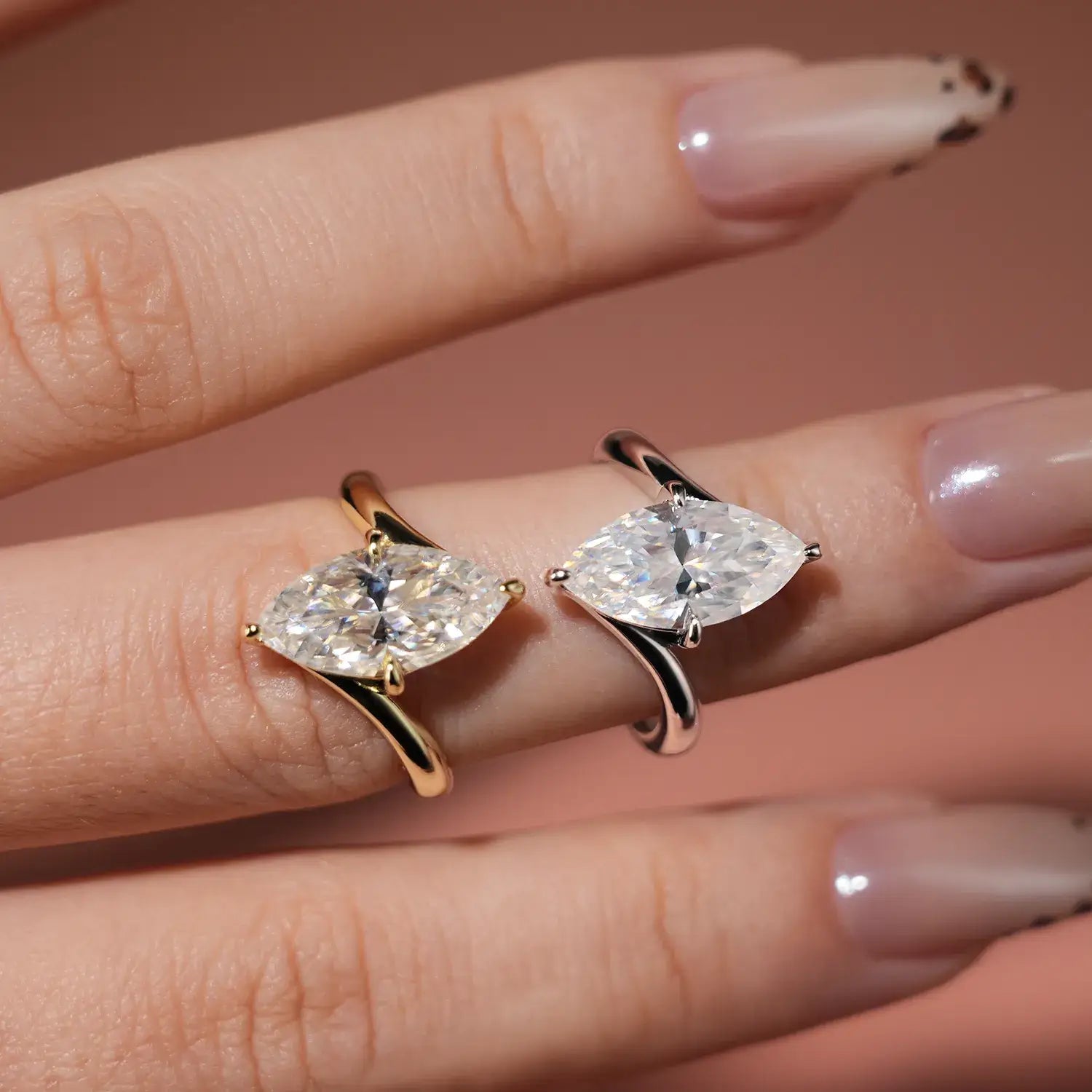
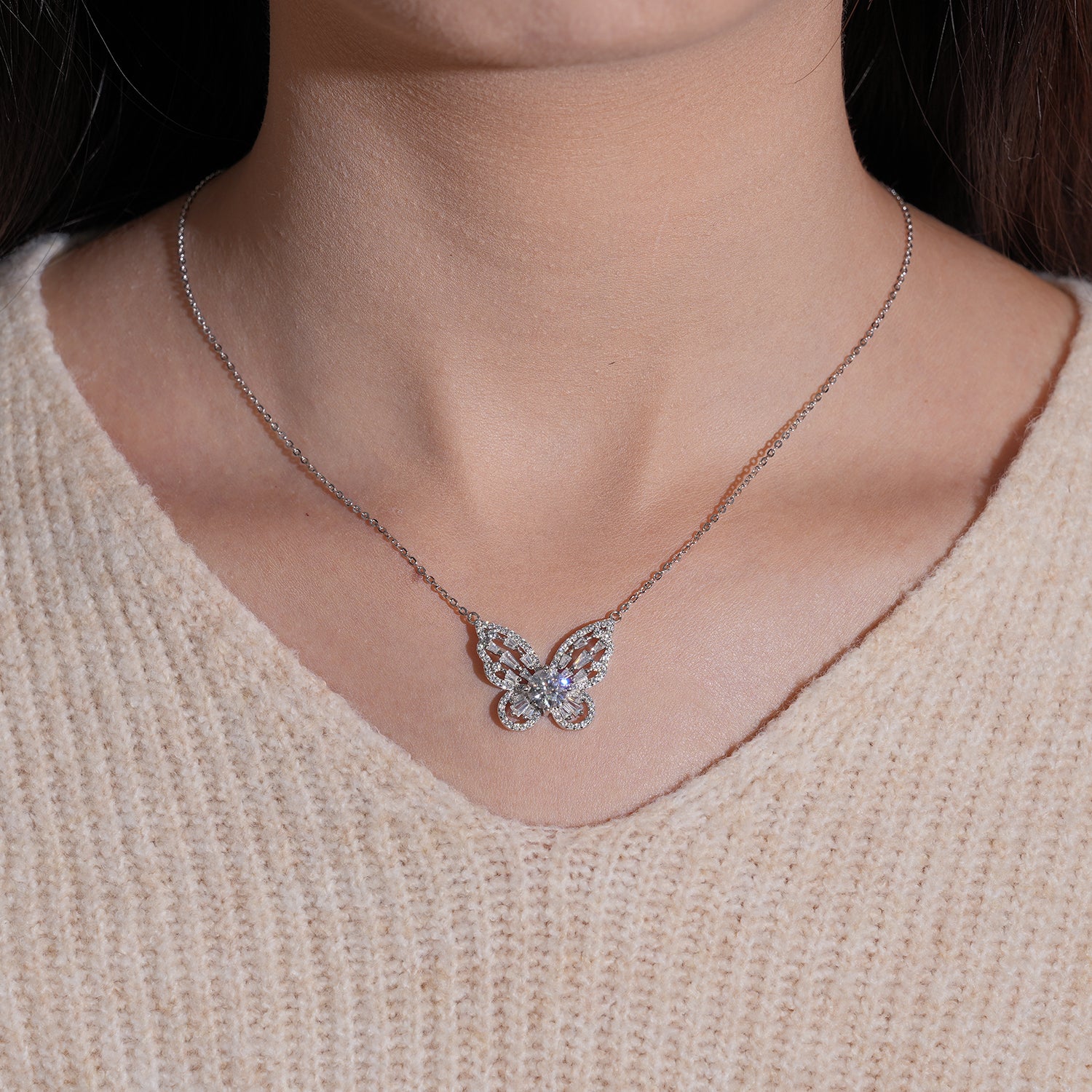
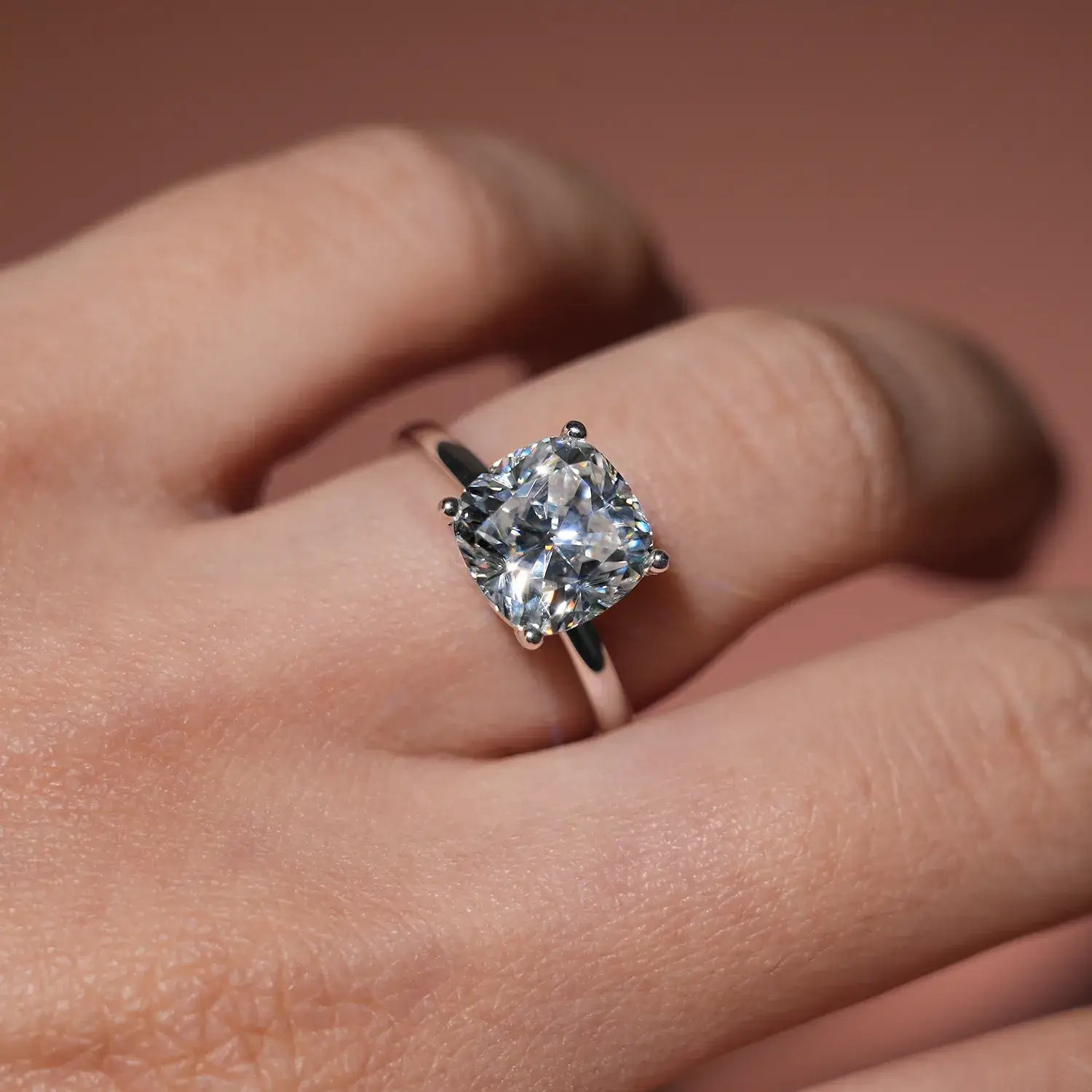
While natural diamonds remain the traditional choice, lab-grown diamonds and moissanite have redefined the luxury market by offering dazzling brilliance with much greater affordability.
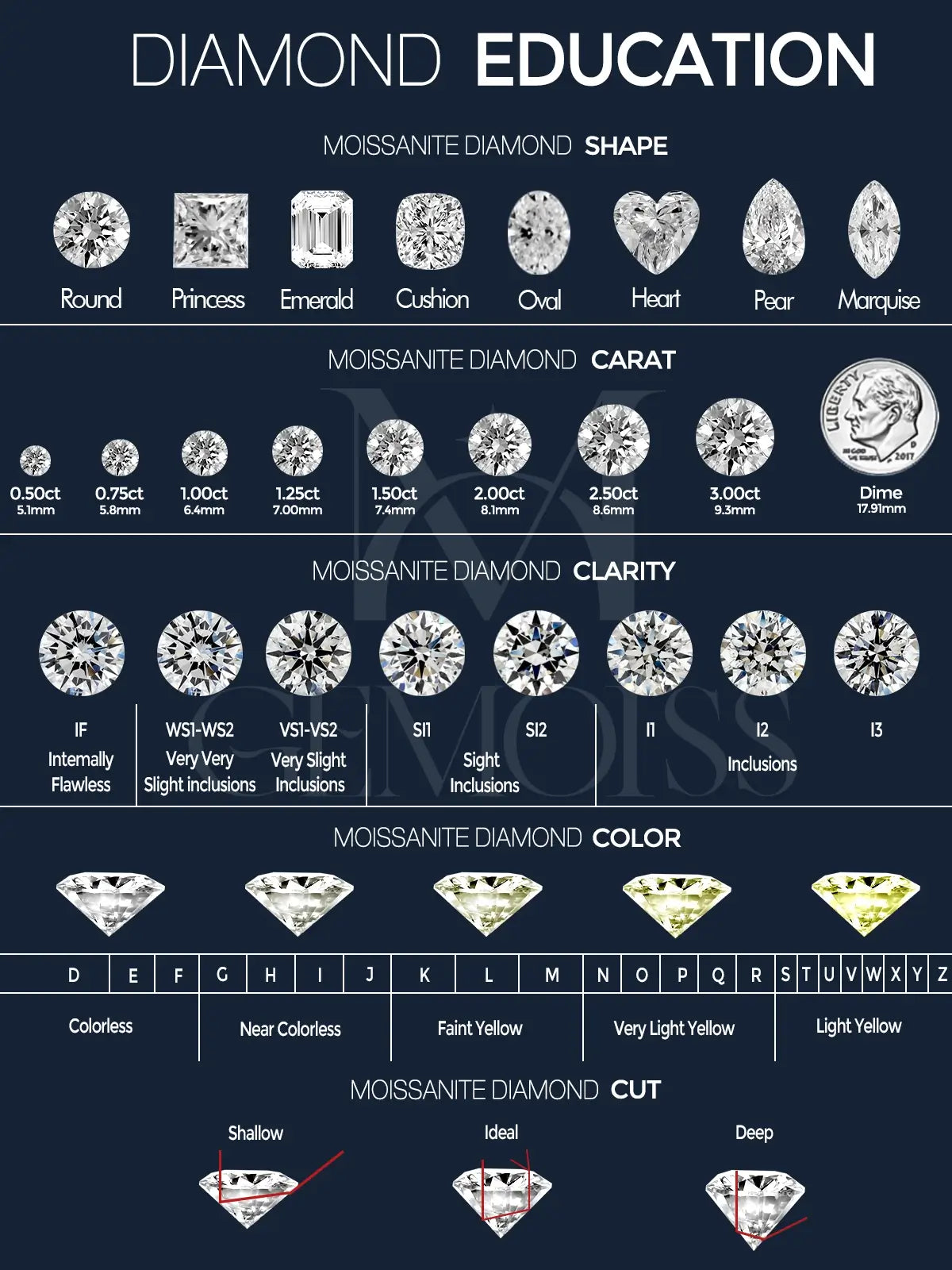
The value of any stone is determined by the 4Cs: Cut, Color, Clarity, and Carat Weight — standards that apply equally to natural diamonds, lab-grown diamonds, and moissanite.
- Cut: Determines how well light reflects from the stone. A well-cut moissanite can sparkle even more intensely than a poorly cut diamond.
- Color: Refers to the presence or absence of tint. Stones closer to colorless grades (D–F) are rarer and thus more expensive.
- Clarity: Evaluates internal inclusions or surface blemishes. The fewer imperfections, the higher the clarity — and the cost.
- Carat: Indicates the stone’s size. Two stones of equal carat weight can have vastly different prices depending on their other three Cs.
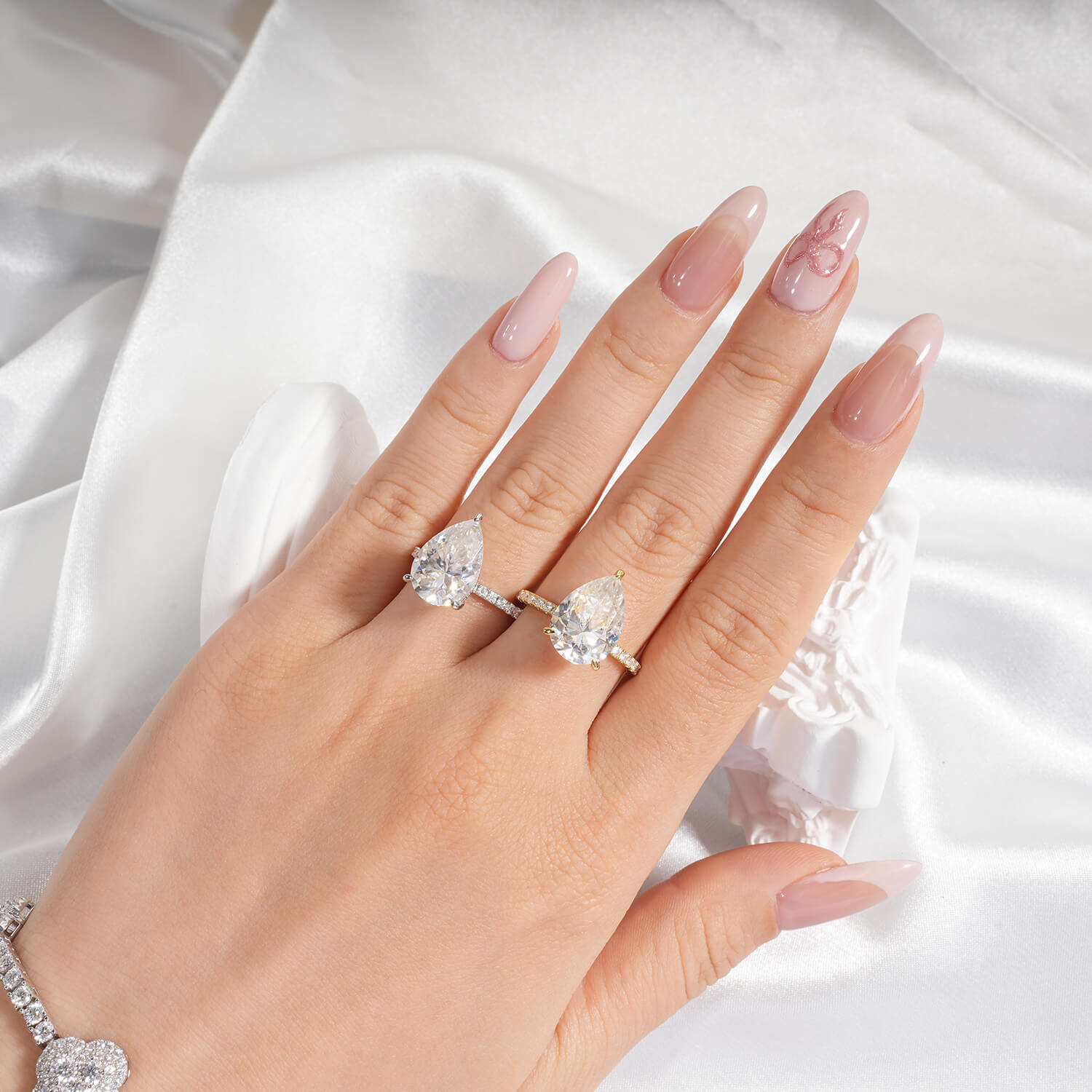
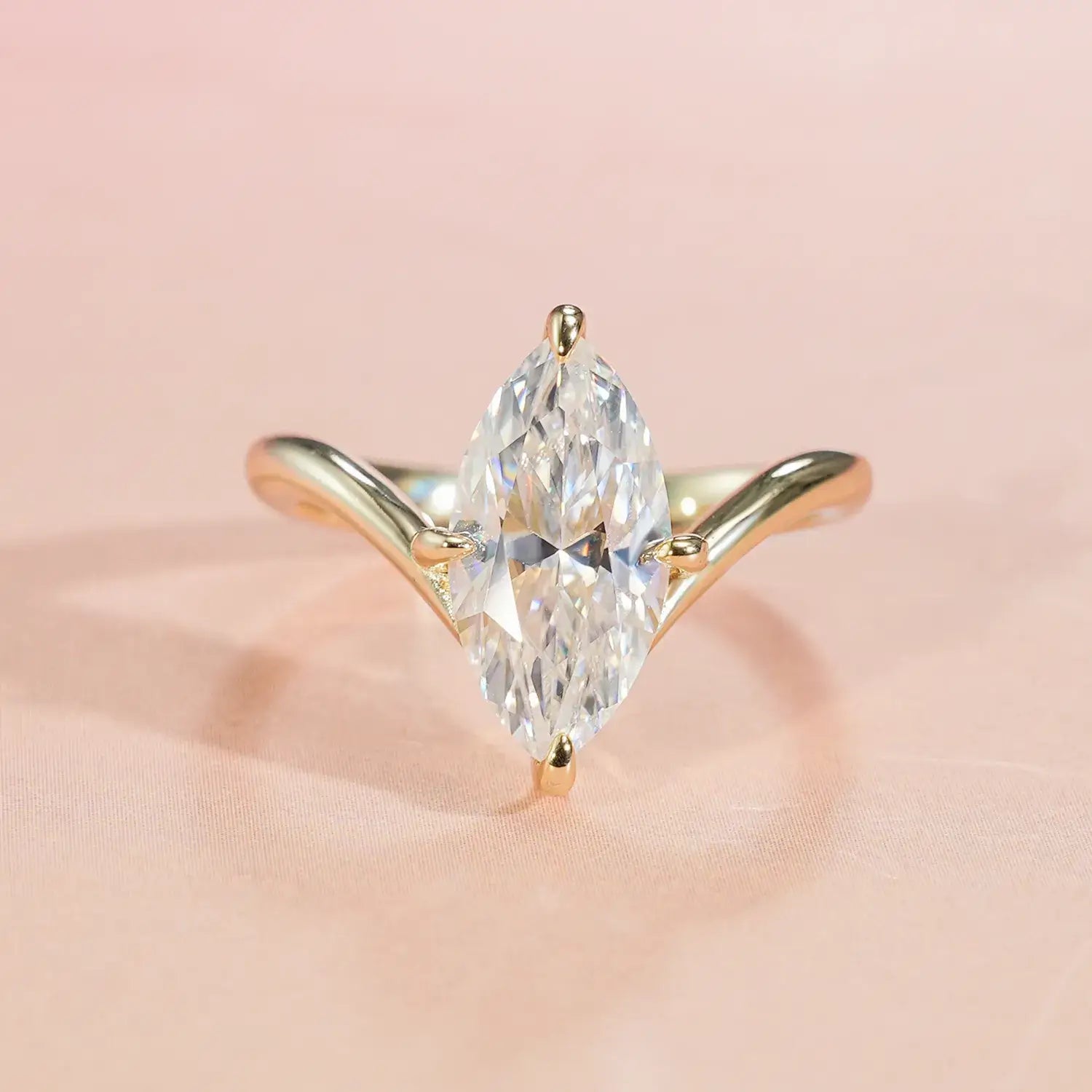
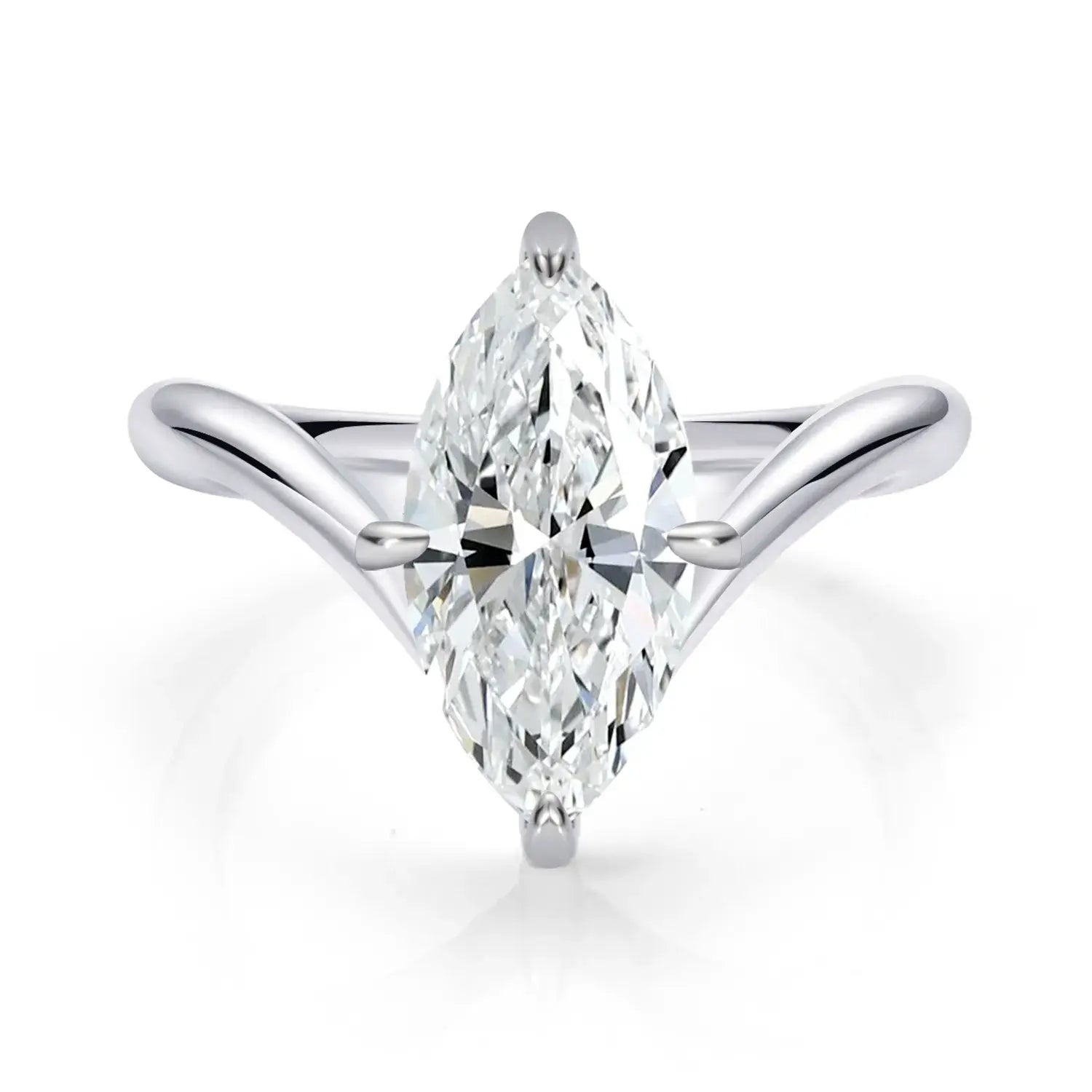
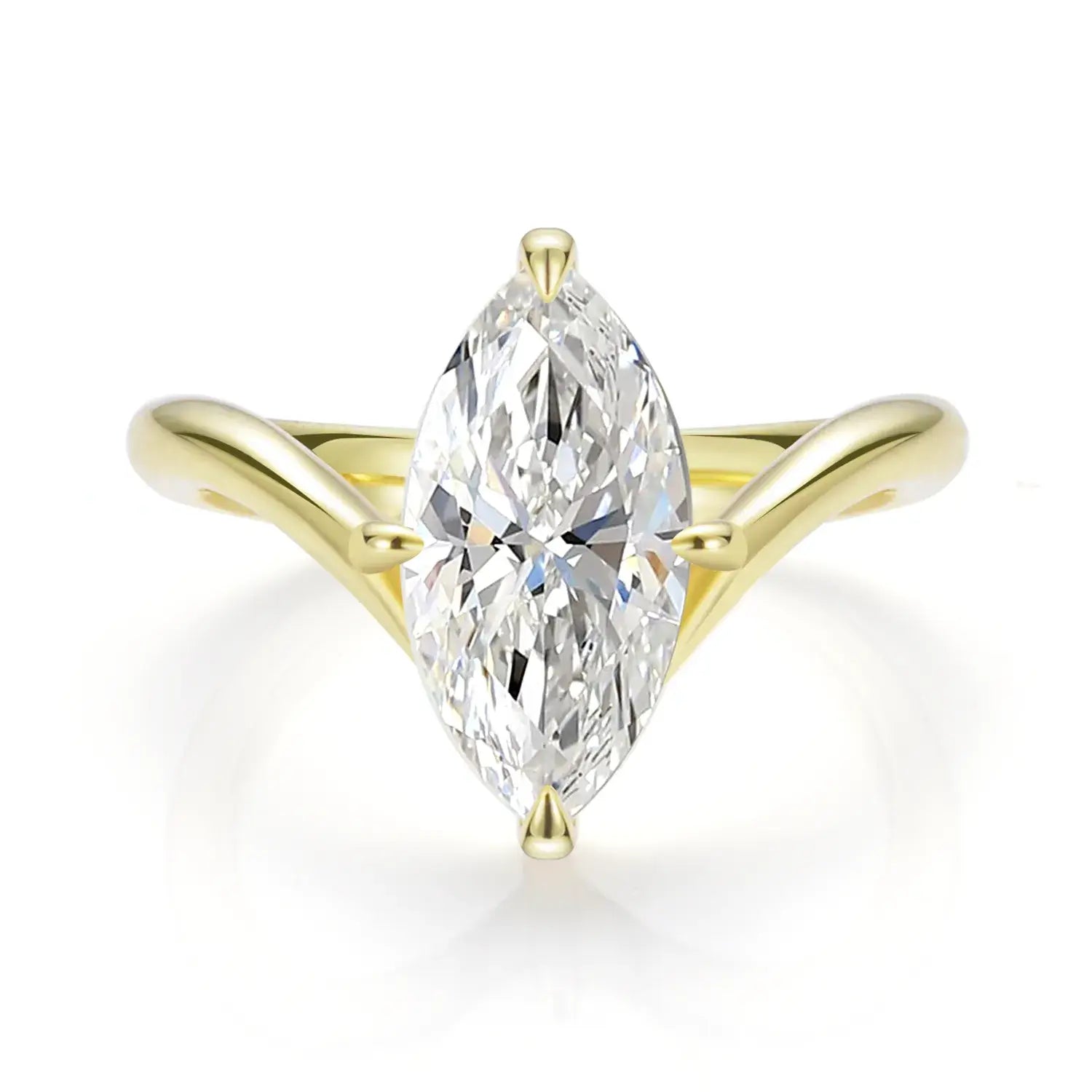
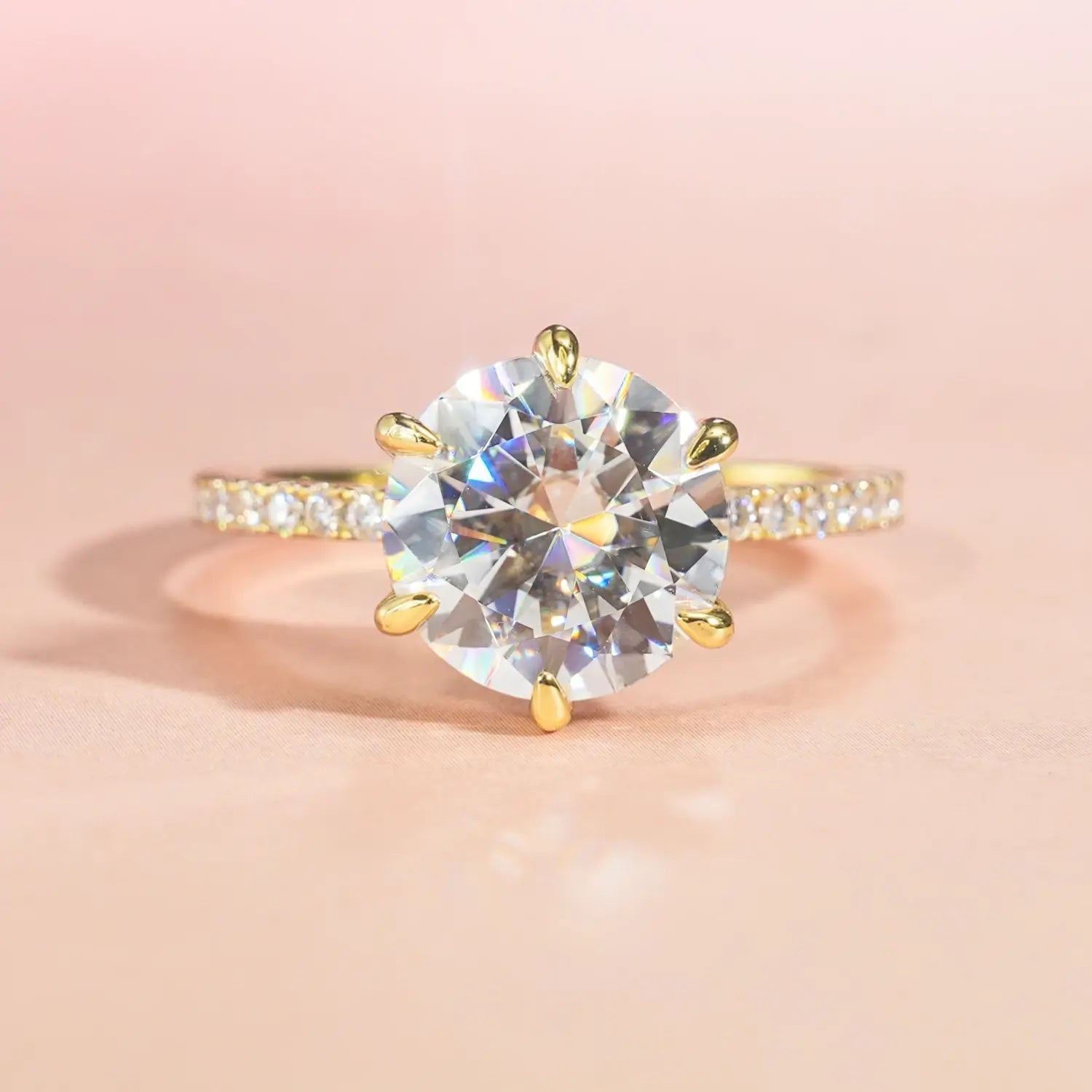
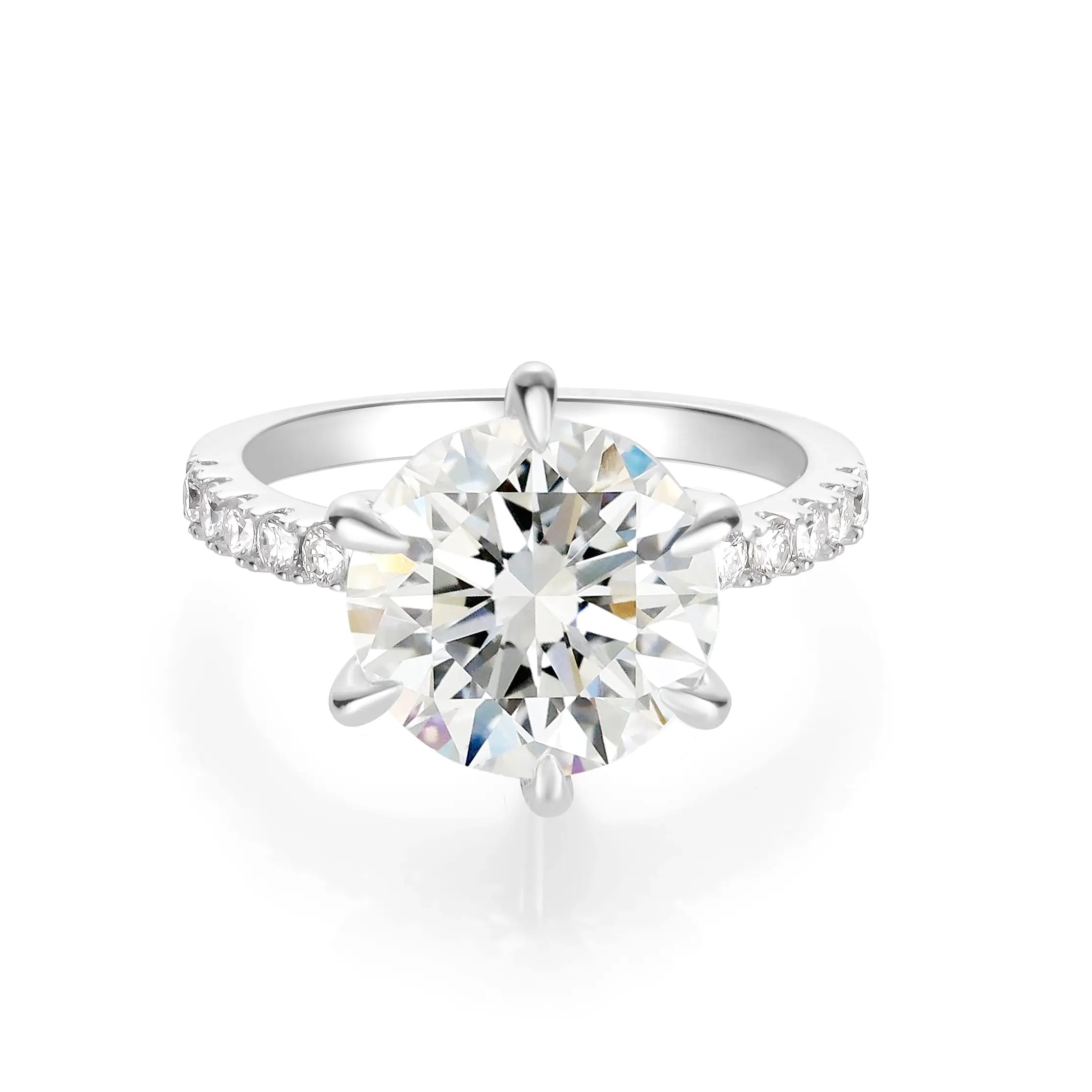
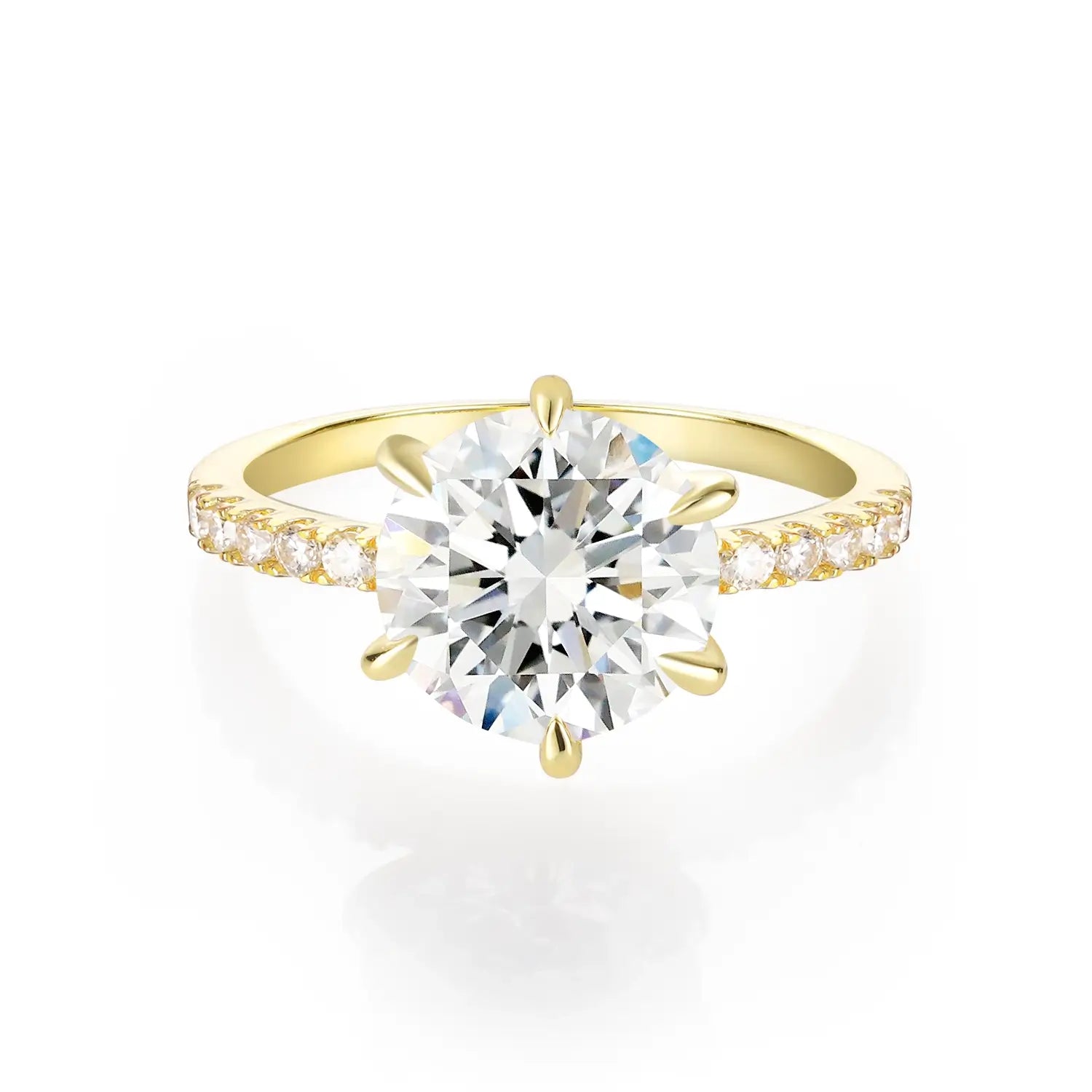
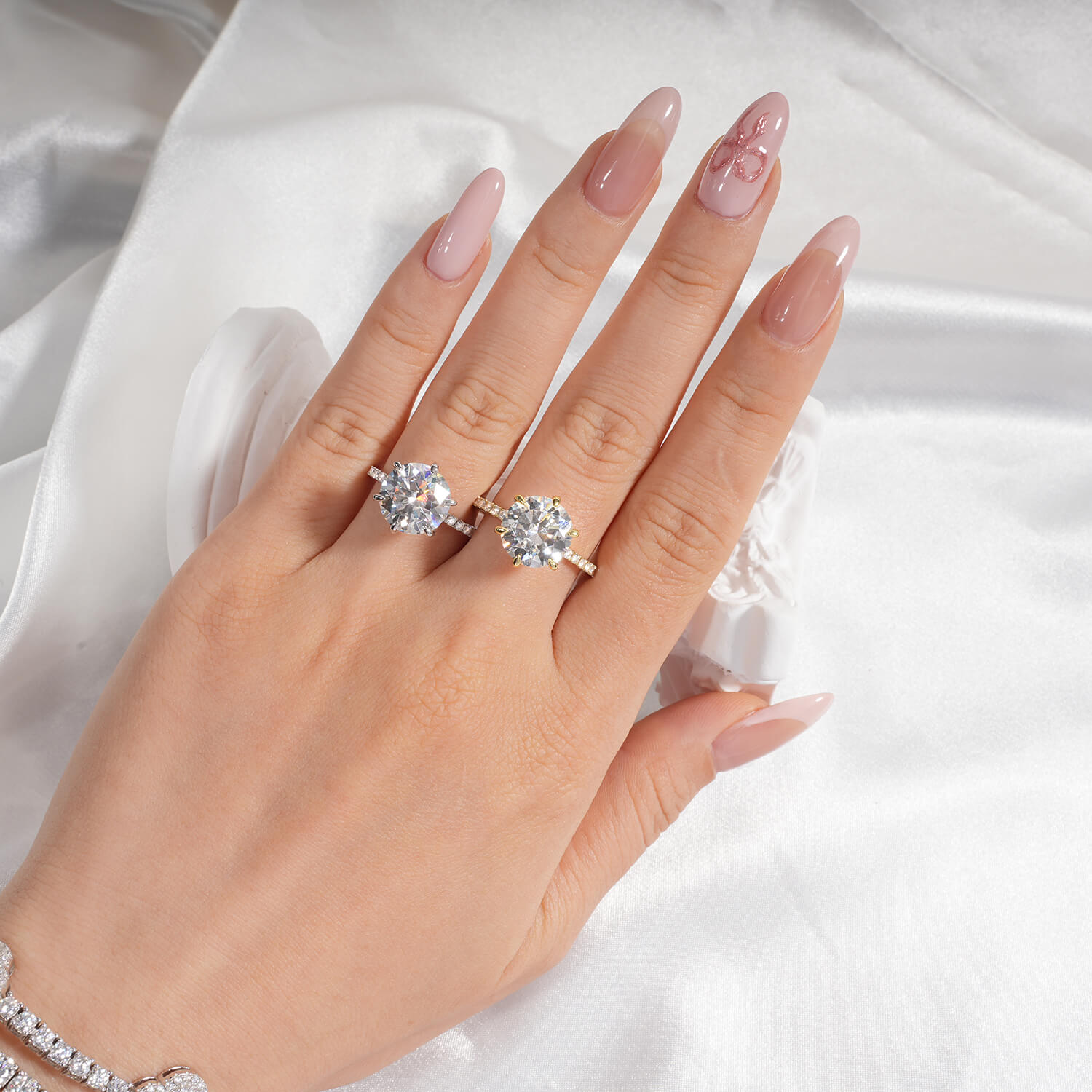
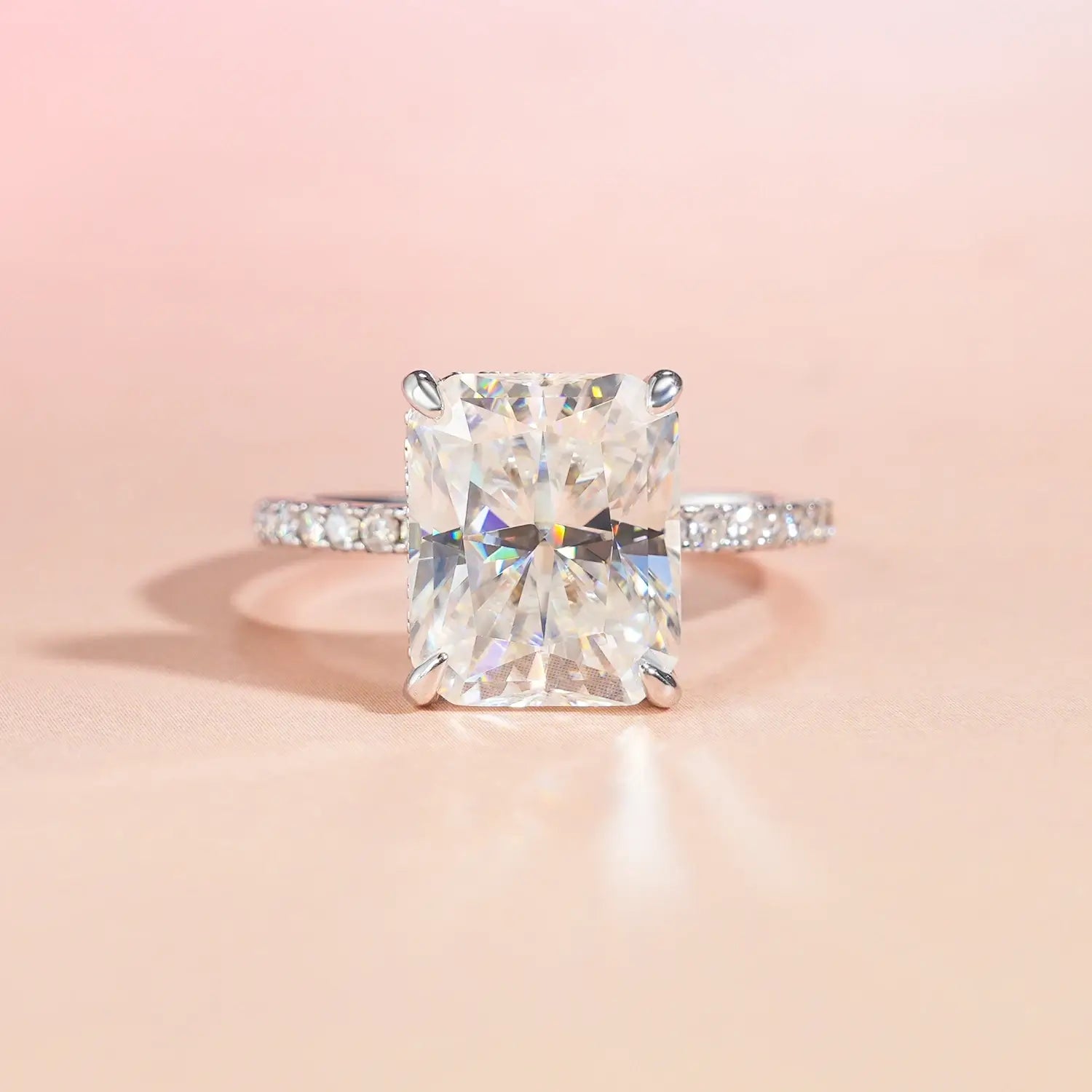
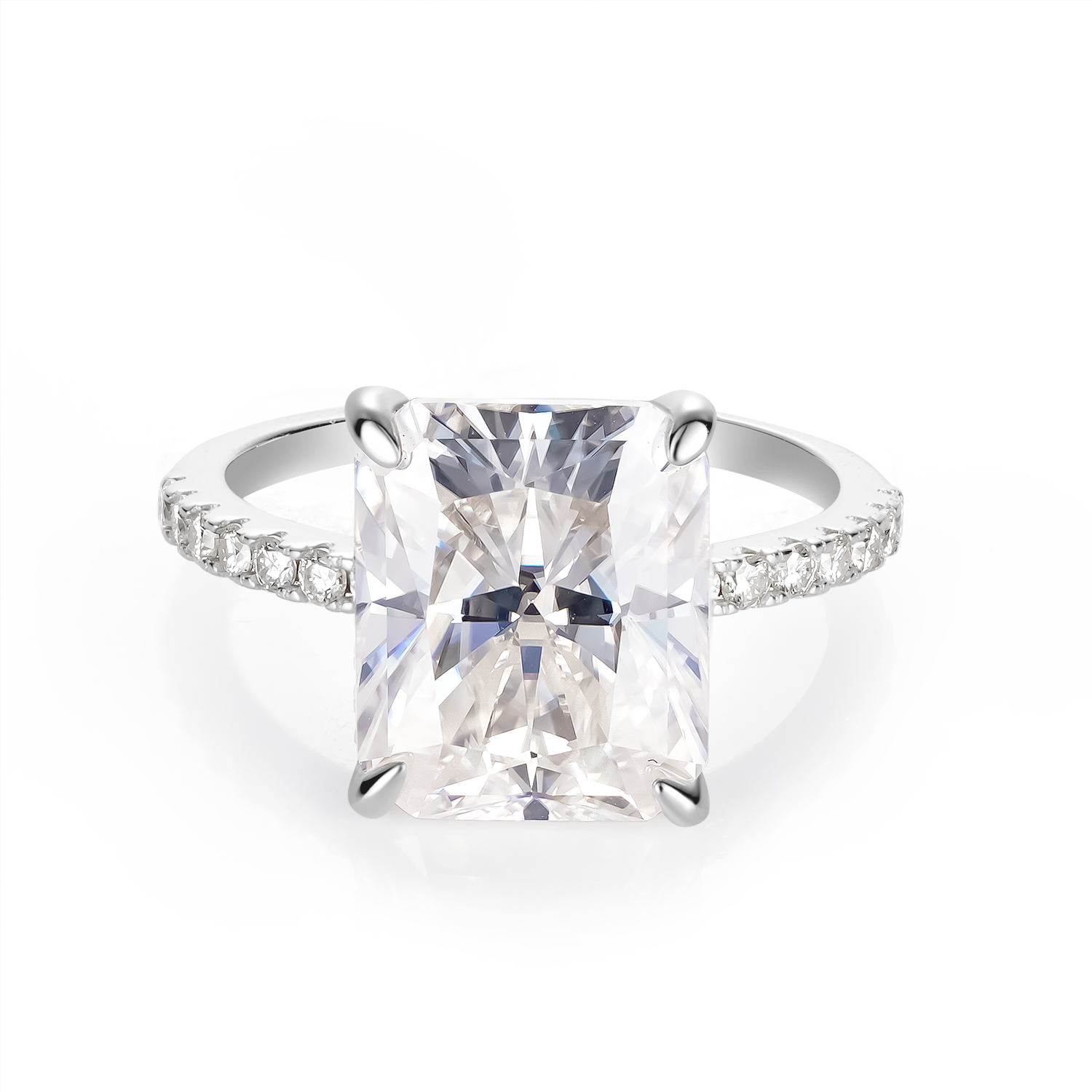
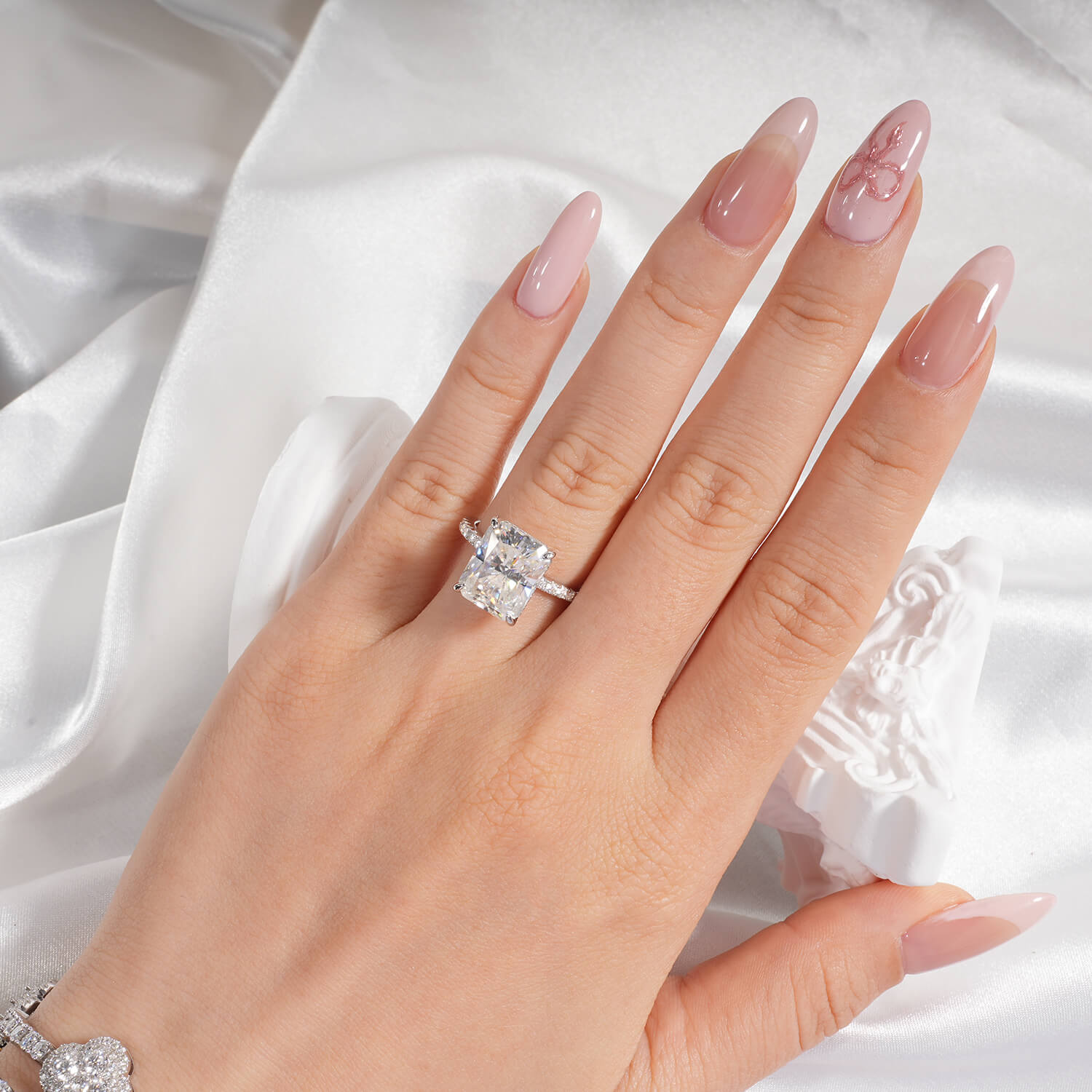
When choosing between gemstones, moissanite engagement rings often strike the perfect balance — offering diamond-like brilliance at a fraction of the cost. For higher-end options, lab-grown diamonds provide nearly identical optical properties to natural ones.
Before purchasing, always verify your stone comes with an authentic certificate — for example, a GRA certificate for moissanite or IGI for lab-grown diamonds. This ensures quality, authenticity, and long-term value.
3. The Design and Craftsmanship: Where Art Meets Engineering
This is where creativity becomes tangible.
Designing a custom engagement ring involves several professional stages:
- Concept & Style Definition — You decide on the metal, stone shape, and overall design direction.
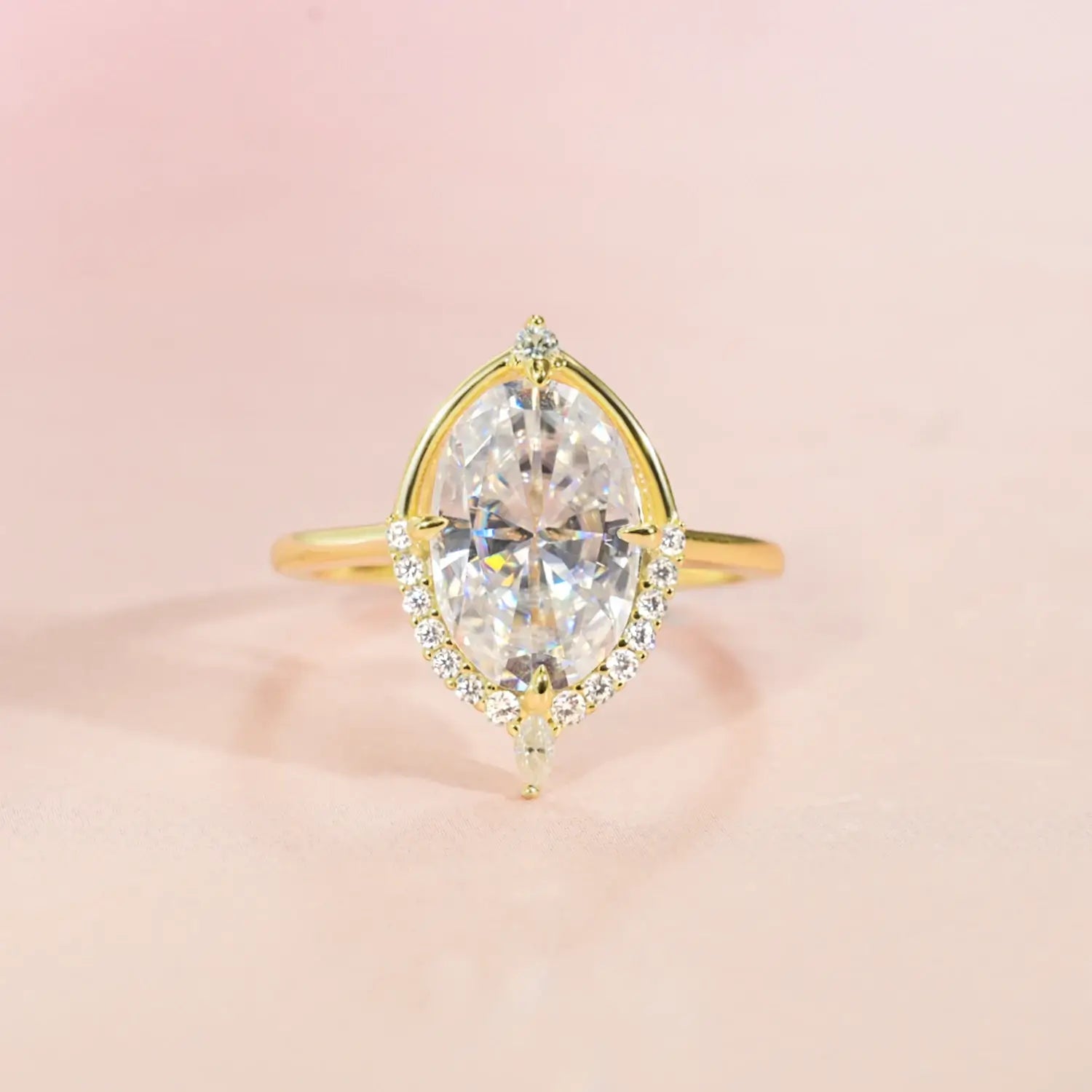
- CAD Design & Rendering — A jewelry designer creates a detailed digital model of your ring. The CAD design typically costs around $200, which is later applied toward your final payment.
- Customer Review & Revisions — You can approve or request changes to ensure every detail is perfect.
- Casting & Finishing — Once approved, your ring enters production. The level of complexity now determines both the labor time and craftsmanship cost.
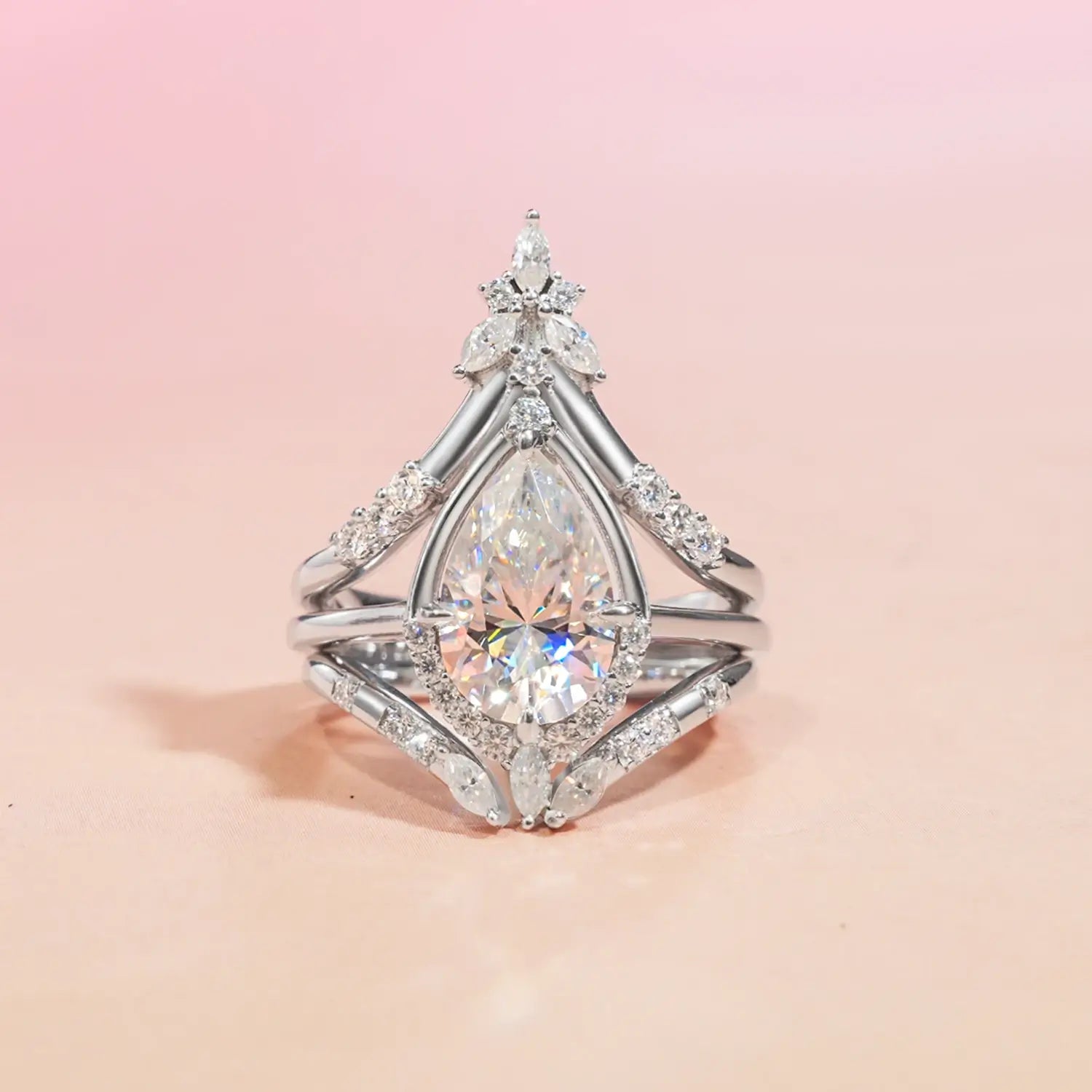
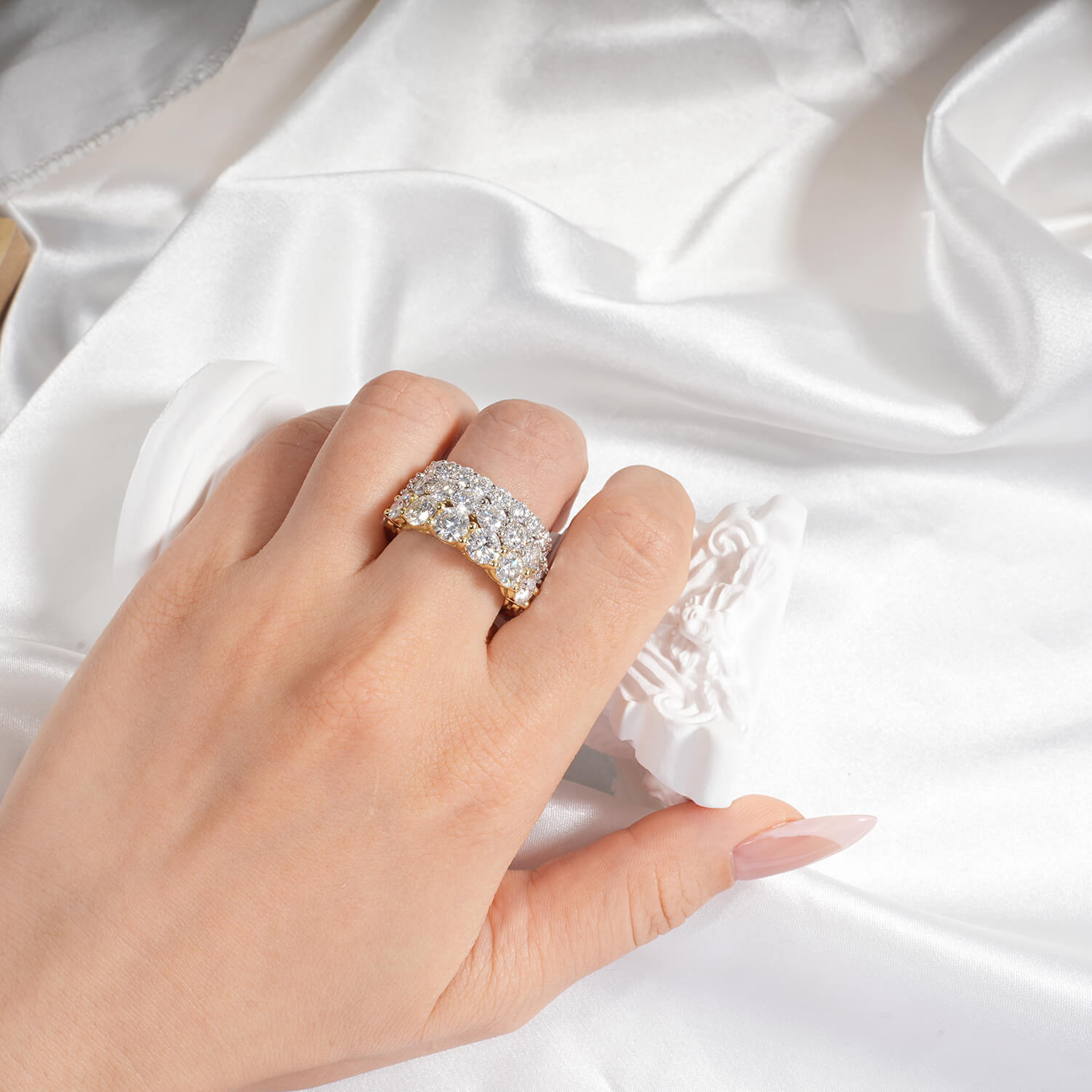
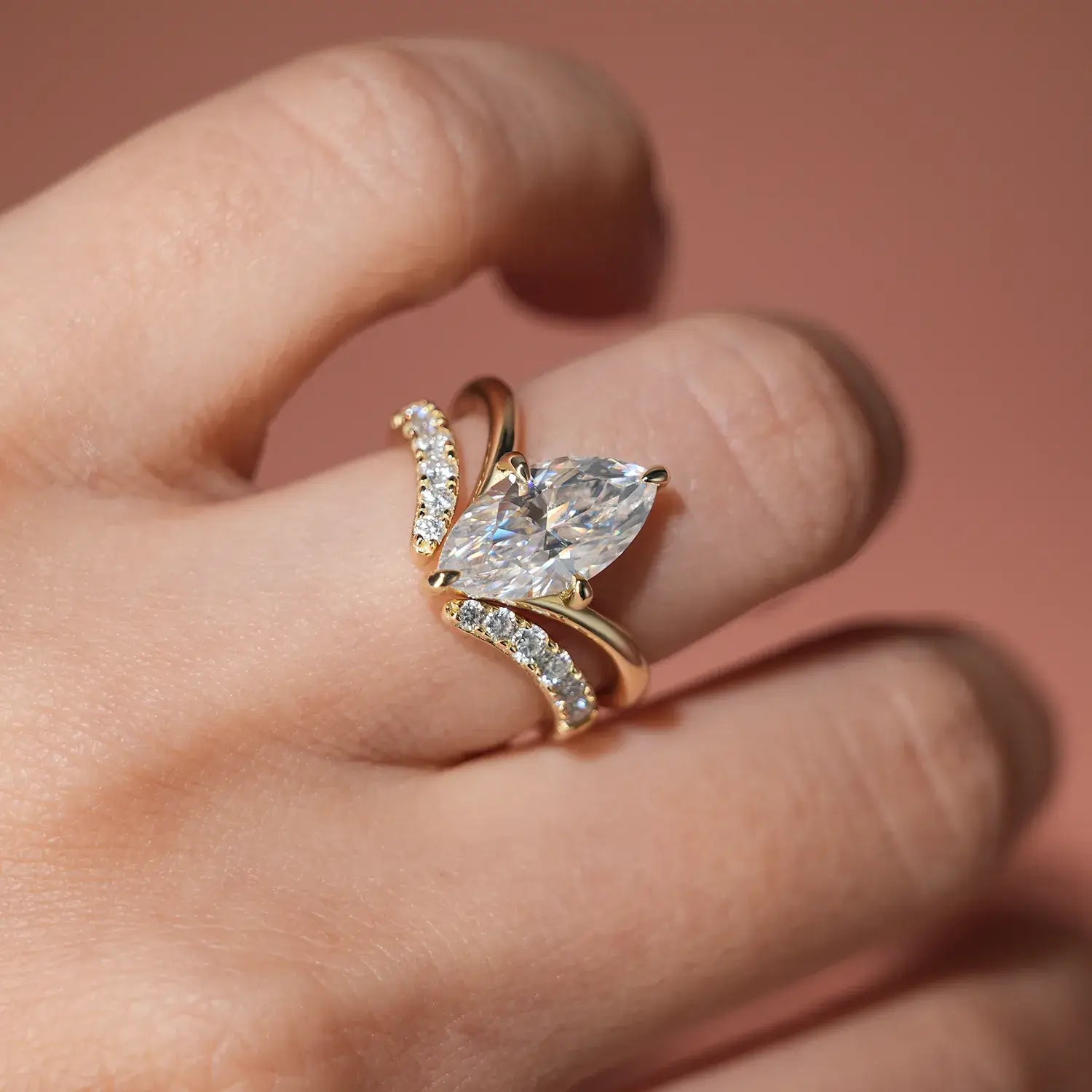
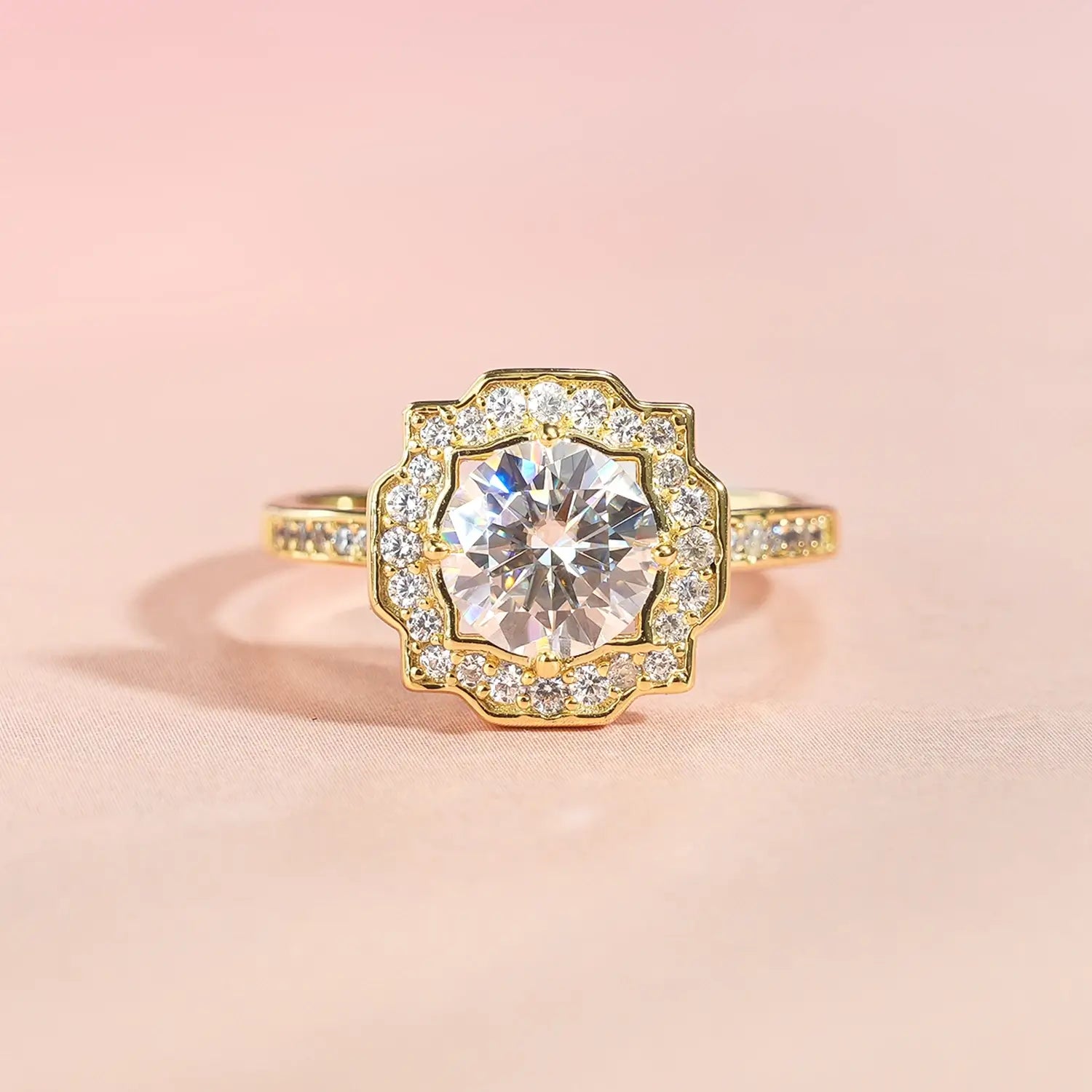
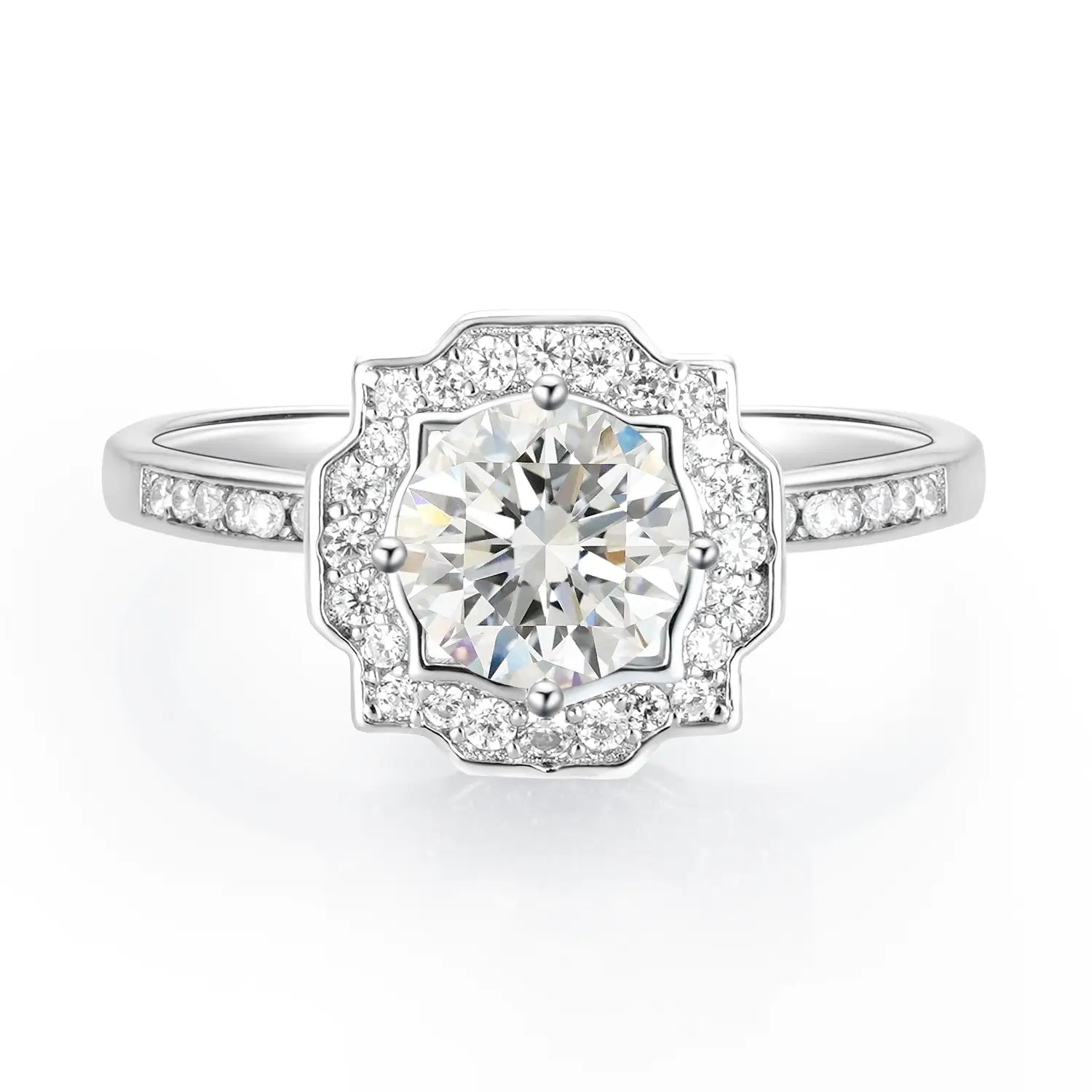
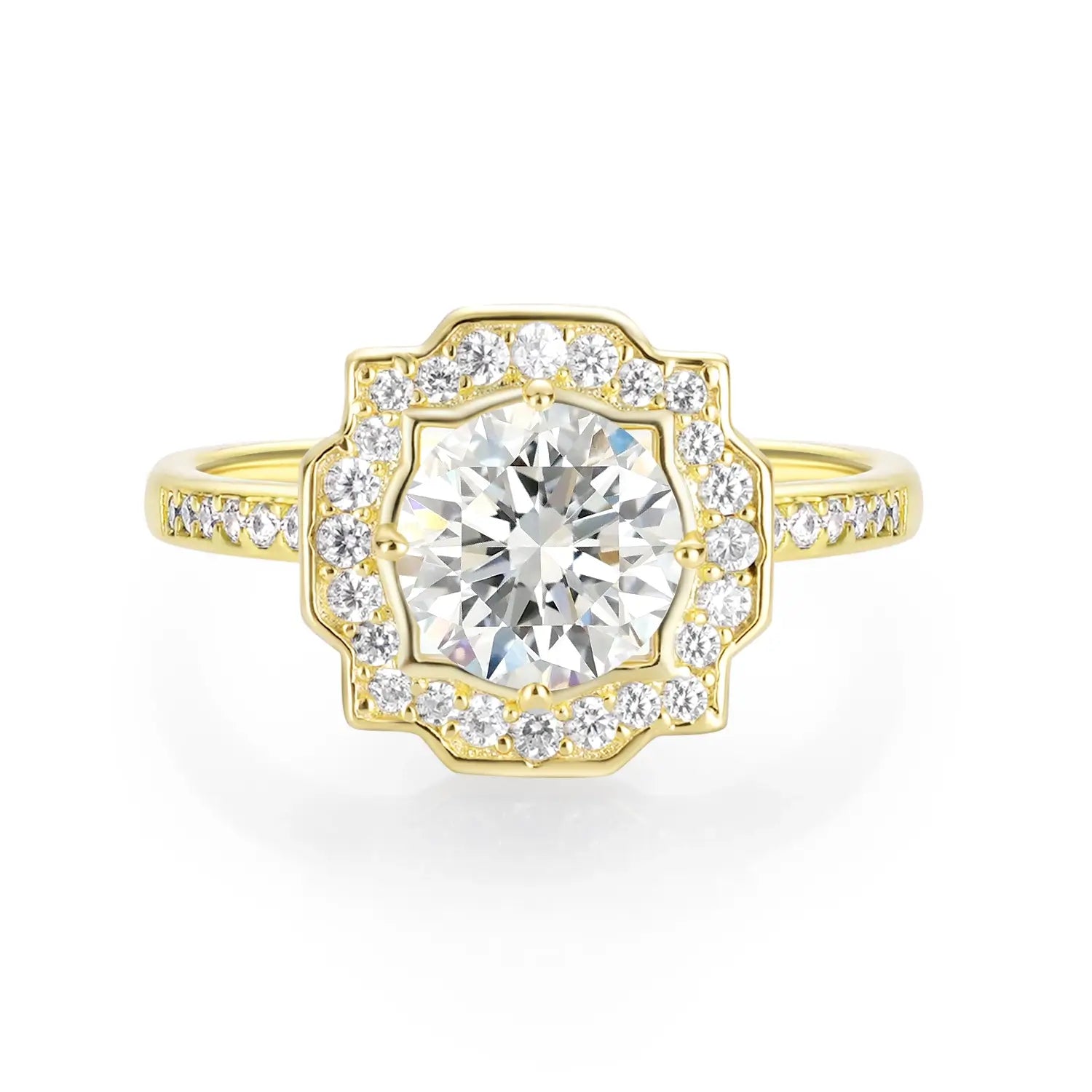
Simple solitaire settings are less time-consuming, while intricate pavé, halo, or mixed-metal designs may increase labor costs substantially.
4. The Hidden Costs: What Most Jewelers Don’t Tell You
While many jewelry websites mention materials and design, few explain why your final price can vary so much.
Beyond metal and stones, your quote also includes:
Crafting fees: Depending on difficulty, hand-finishing, or gemstone setting, costs can range from $500–$1,000.
Service & insurance: Many jewelers include fees for resizing, polishing, or ensuring safe shipment.
Certification & testing: Reputable jewelers always test stone authenticity before delivery.
All these factors protect the customer’s investment while ensuring transparency and ethical production.
5. How to Estimate Your Custom Ring’s True Value
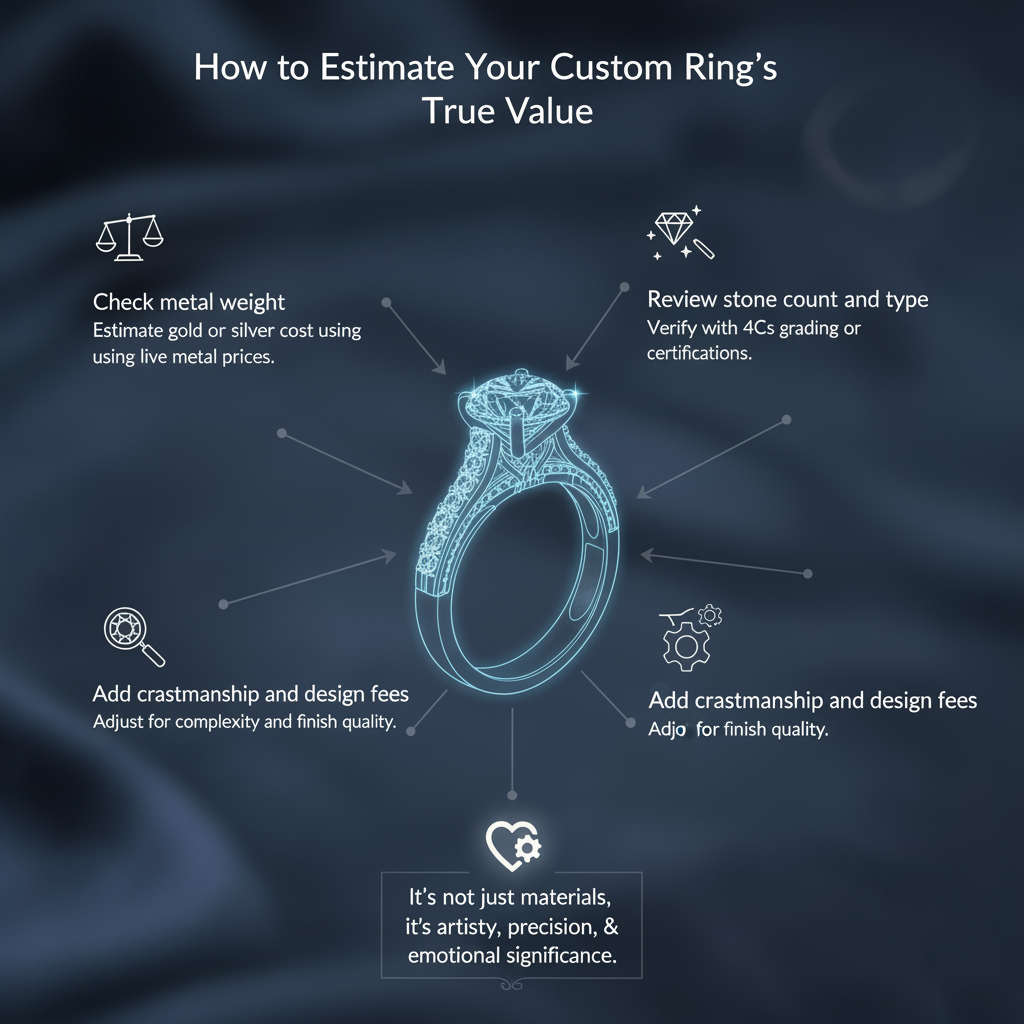
Once your CAD design is ready, use it as your roadmap:
- Check metal weight → Estimate gold or silver cost using live metal prices.
- Review stone count and type → Verify with 4Cs grading or certifications.
- Add craftsmanship and design fees → Adjust for complexity and finish quality.
While it’s tempting to calculate everything strictly by material value, remember: you’re not just paying for raw gold and gems — you’re investing in artistry, precision, and emotional significance.
6. Setting a Smart Budget for Your Custom Ring
Your budget should balance realism with aspiration.
A good rule of thumb is to set aside 20–30% of your total budget for craftsmanship and customization work, and the rest for your metal and gemstone selection.
If you want sparkle without breaking the bank, affordable moissanite engagement rings from Gemoissjewelry.com deliver unmatched brilliance and durability — and they can pass standard diamond testers.
For those seeking elevated luxury, lab-grown diamonds offer an ethically sourced, high-end alternative.
7. Final Thoughts: Value Beyond the Price Tag
A custom engagement ring is more than an accessory — it’s a wearable story of your love and vision.
By understanding what drives cost, you can create a meaningful, high-quality ring that reflects both your personal taste and your budget.
At Gemoiss Jewelry, every piece is crafted with precision, transparency, and artistry — because we believe your story deserves nothing less than brilliance.
Q&A: Common Questions About Custom Engagement Rings
Break the price into materials, gemstone, design, and labor. Compare market rates for gold and certified gemstones for transparency.
Moissanite and lab-grown diamonds both offer exceptional brilliance for a fraction of natural diamond costs.
Between $500–$1,000 for intricate settings or detailed pavé styles; simple solitaires cost less.
Yes — once your CAD file is ready, use its gold weight and stone specs to estimate costs, then add design and labor fees.